Annapurna Region Trek
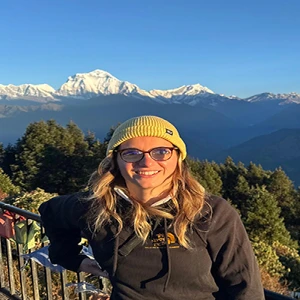
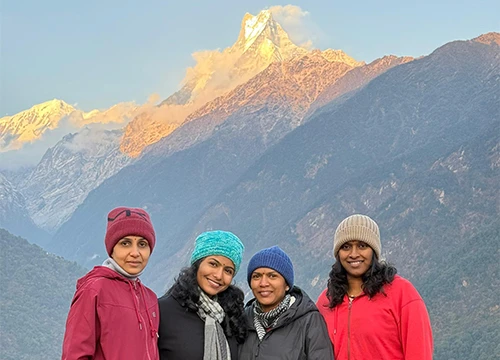
The Annapurna Region is one of Nepal’s most popular trekking destinations, known for its incredible combination of high mountains, diverse landscapes, traditional villages, and rich local culture. From peaceful forest trails and terraced hills to dramatic valleys, waterfalls, glaciers, and high mountain passes, every journey offers something different. Trekkers can enjoy spectacular views of Annapurna I, Dhaulagiri, Machhapuchhre (Fishtail), Nilgiri, Hiunchuli, and other Himalayan peaks while experiencing the warm hospitality and traditional lifestyles of the Gurung, Magar, Thakali, and other mountain communities. The region also offers a wide choice of adventures, from short easy hikes around Pokhara to challenging high-altitude journeys such as the Annapurna Circuit, Nar Phu Valley, Tilicho Lake, Upper Mustang, and Annapurna Base Camp. With beautiful sunrise and sunset views, rhododendron forests, sacred lakes, diverse landscapes, and trails for all experience levels, the Annapurna region continues to attract travellers from around the world seeking authentic Himalayan adventure and unforgettable mountain experiences.
Major Attraction
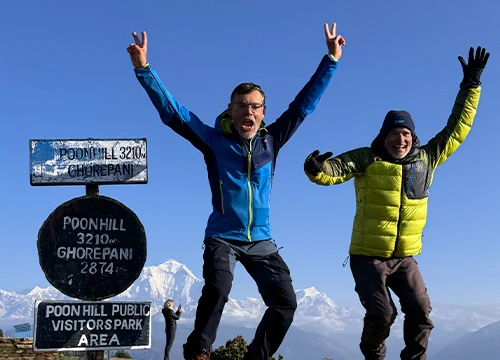
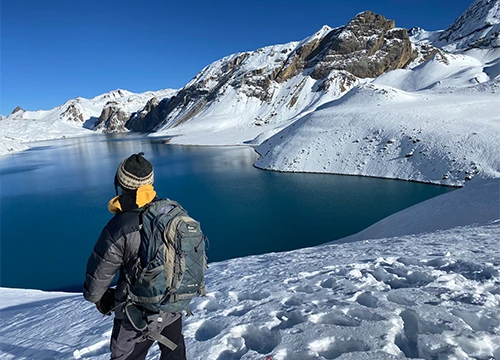
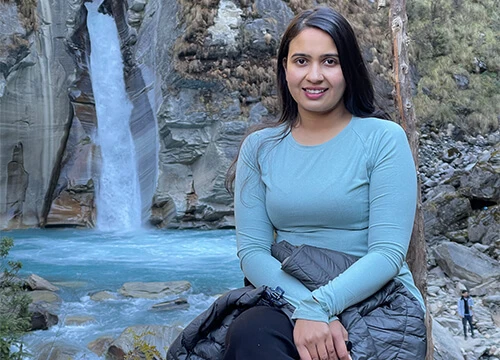
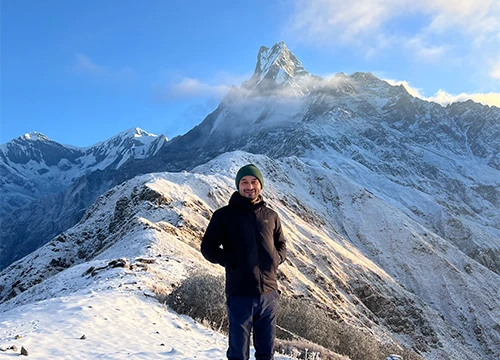
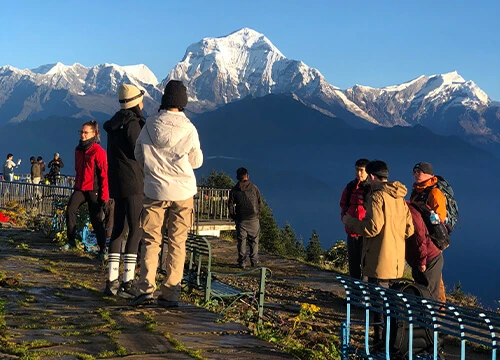
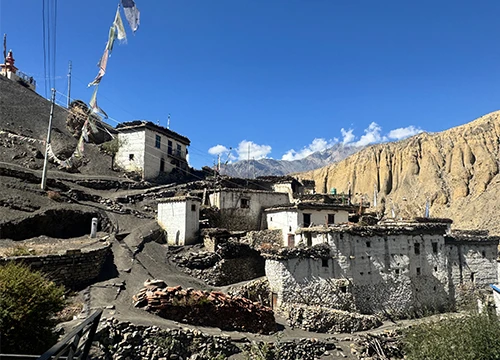
The Annapurna Region is filled with incredible Himalayan attractions, from the popular sunrise viewpoint of Poon Hill and beautiful Ghorepani and Ghandruk villages to the spectacular Annapurna Base Camp and Machhapuchhre Base Camp. Explore the remote and culturally rich Nar Phu Valley, traditional mountain villages such as Nar, Phu, Pisang, Manang, and many more, along with the breathtaking Tilicho Lake and iconic Thorong La Pass (5416m). The region is also home to the sacred Muktinath Temple, an important pilgrimage site visited by both Hindu and Buddhist devotees, as well as the unique landscapes and ancient villages of Upper Mustang, often known for its dramatic cliffs, barren valleys, Tibetan-influenced culture, monasteries, and centuries-old settlements. The journey also offers peaceful forests, dramatic valleys, waterfalls, natural hot springs, alpine landscapes, traditional villages, and countless scenic viewpoints. Along the way, enjoy magnificent views of Annapurna I (8,091 m), Dhaulagiri (8,167 m), Machhapuchhre/Fishtail (6,993 m), Nilgiri (7,061 m), Gangapurna (7,455 m), Tilicho Peak (7,134 m), Tukuche Peak (6,920 m), Hiunchuli (6,441 m), and many other Himalayan peaks. From short village hikes and cultural journeys to challenging high-altitude adventures, the Annapurna Region itself is a complete Himalayan experience, bringing together mountains, nature, culture, spirituality, adventure, and unforgettable journeys in one remarkable destination.
Best Time
The Annapurna Region offers trekking opportunities throughout the year, and some lower-altitude treks such as Poon Hill, Ghorepani, Ghandruk, and Australian Camp can be enjoyed in most seasons. However, some high-altitude and remote treks are not always possible because of monsoon rains, landslides, heavy snowfall, and difficult trail conditions, particularly around high passes and alpine areas. The best overall seasons for most Annapurna treks are spring (March to May) and autumn (September to November), when the weather is generally pleasant and mountain views are often clear. Spring brings blooming rhododendrons and colorful landscapes, while autumn offers fresh mountain air, clear Himalayan views, and the opportunity to experience major Nepalese festivals such as Dashain and Tihar. Winter (December to February) can be beautiful for lower-altitude treks, but heavy snowfall may make some high-altitude routes and passes difficult or temporarily inaccessible. Monsoon (June to August) brings frequent rain and cloudy conditions, although rain-shadow areas such as Upper Mustang and parts of the Annapurna Circuit can remain suitable for trekking. We always recommend choosing the trekking route and season according to current weather and trail conditions.




.webp)