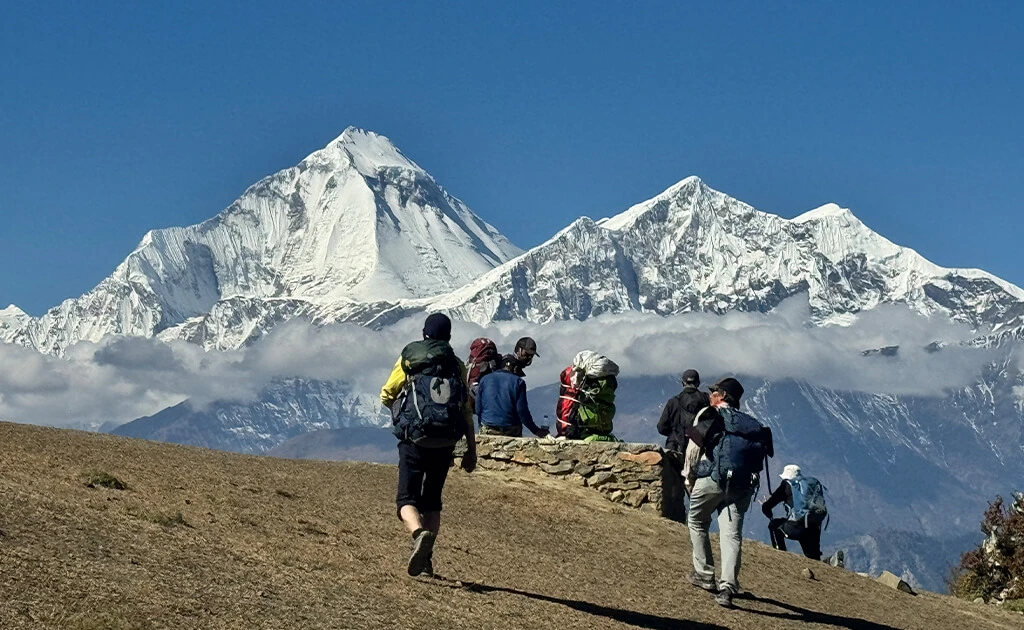
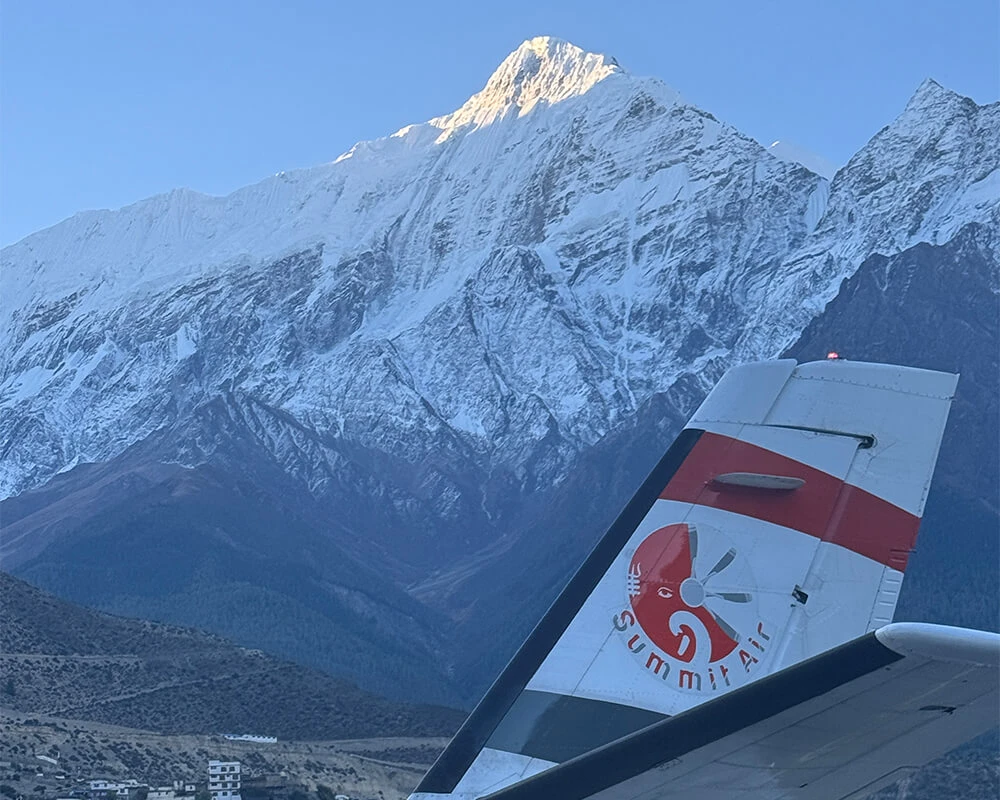
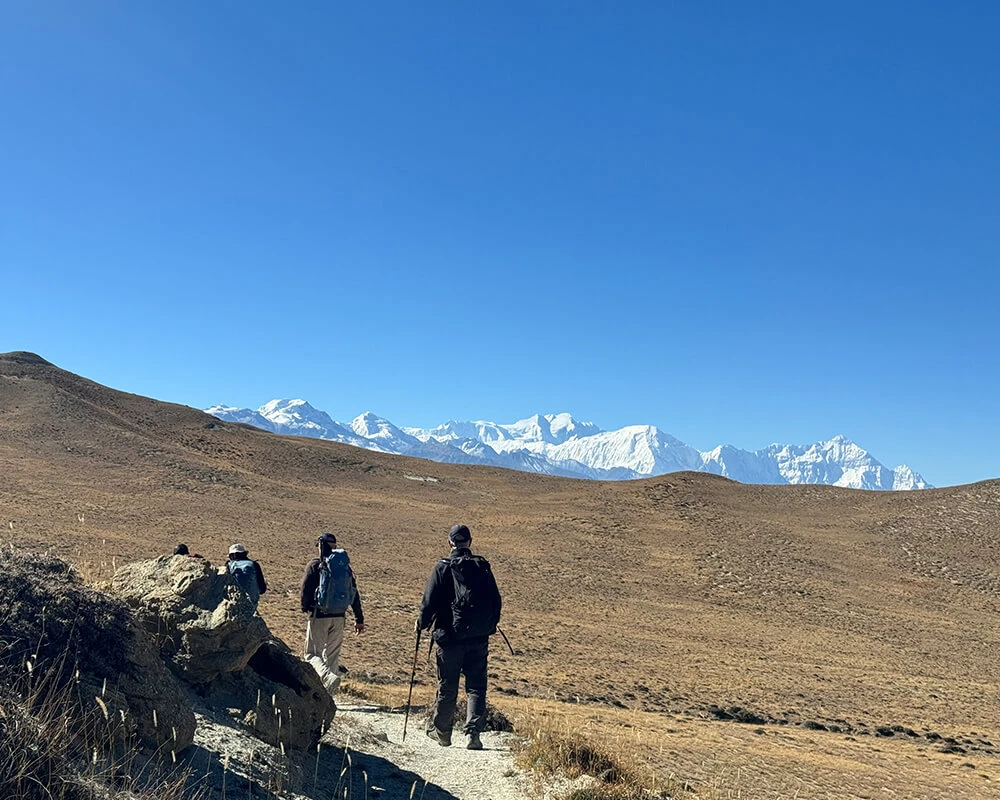
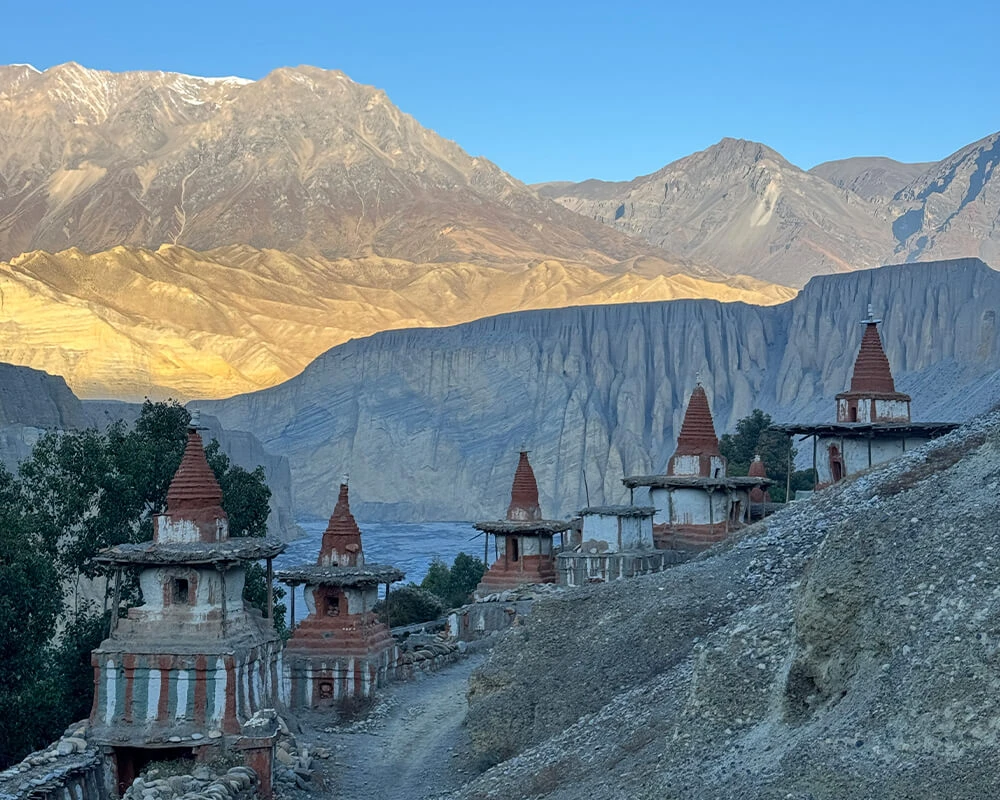
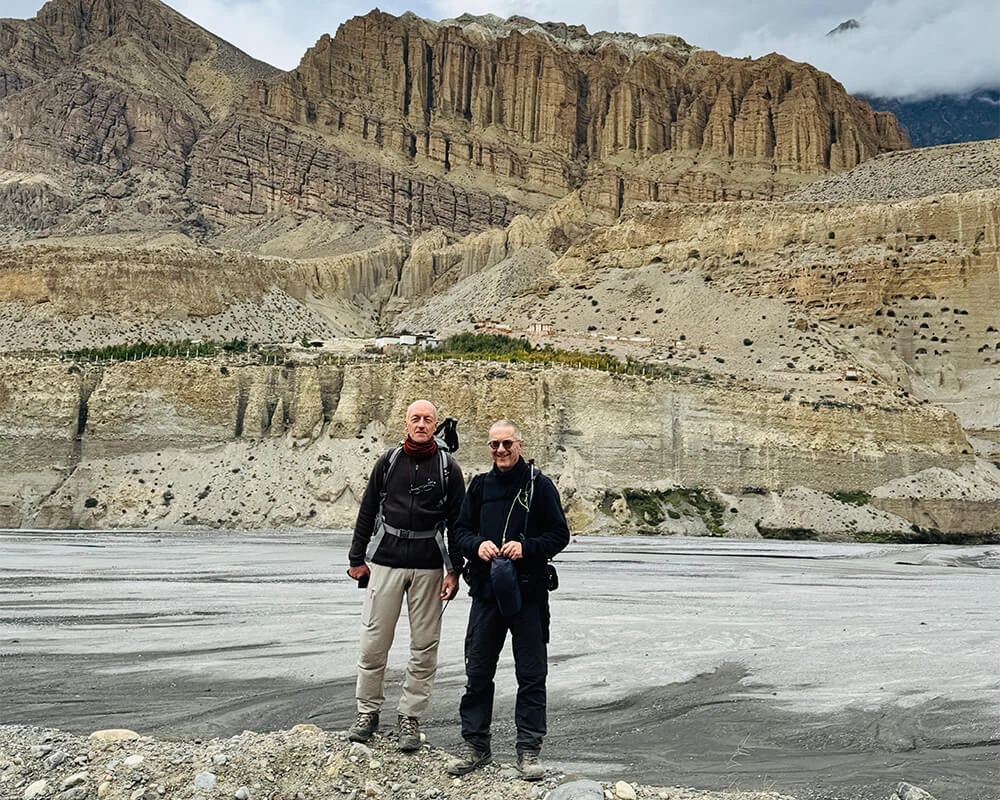
The Upper Mustang Trek takes you into the remote and fascinating world of Mustang, a hidden Himalayan region near the Tibetan border. Known as the “Last Forbidden Kingdom,” Upper Mustang is famous for its dry landscapes, ancient villages, Buddhist monasteries, caves, and unique Tibetan culture. The trek begins from Kagbeni, the gateway to Upper Mustang, and continues through the dramatic landscapes of the Mustang region towards Lo Manthang, the historic capital of the former Kingdom of Lo. Along the way, you will see ancient monasteries, traditional stone villages, caves, colorful rock formations, and beautiful Himalayan views of Nilgiri, Annapurna, and Dhaulagiri. Lo Manthang is the cultural heart of the journey. Explore Namgyal Gompa, Tingkhar village, the former King's Palace, and the traditional Tibetan Buddhist lifestyle of the local people. You can also visit Ghar Gompa, believed to be more than 1,200 years old and closely connected with Guru Rinpoche. The Upper Mustang Trek is a moderate-to-challenging high-altitude journey, generally walking around 5–7 hours a day. The dry climate, strong winds, and high altitude make the trek different from other popular routes in Nepal, but the unique landscapes and ancient culture make it truly worthwhile.
The Secrets of Upper Mustang
Lo Manthang – The Hidden Kingdom of the Himalayas
Lo Manthang is the historic capital of Upper Mustang, known for its ancient walls, narrow streets, traditional houses, and Buddhist monasteries. Once the center of the former Kingdom of Lo, the town still preserves its unique Tibetan-influenced culture and traditions. Namgyal Monastery is one of the important cultural sites, while the famous Tiji Festival brings the town to life with colorful dances, prayers, and traditional rituals.
Ancient Caves and Himalayan Landscapes
Upper Mustang is often known as “Himal Paari ko Gaon,” meaning the village beyond the mountains. The region is famous for its dry, dramatic landscapes, unusual rock formations, and ancient caves carved into the cliffs. These caves were once used as homes and shelters, and some are believed to have been places of meditation for Buddhist monks and spiritual teachers.
Tiji Festival in Upper Mustang
The Tiji Festival is one of the most important festivals of Upper Mustang and is usually celebrated in May, although the exact dates change each year. The festival represents the victory of good over evil and is celebrated with traditional dances, prayers, and Buddhist rituals. For travelers, visiting Upper Mustang during Tiji is a special opportunity to experience the region's Tibetan Buddhist culture, ancient traditions, and local way of life.