Annapurna North Base Camp Trek - 9 days

Things to Know
  • Duration9 Days
  • Difficulty Level Moderate
  • Altitude North Basecamp 4190m
  • Trip Type Trekking
  • Start and End Kathmandu and Kathmandu
  • Best Time Autumn and Spring
What You’ll Do
  • Follow the historic Maurice Herzog Trail – Trek along the route associated with the historic 1950 Annapurna expedition.
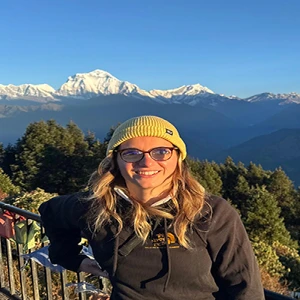
  • Spectacular Himalayan Views – Enjoy breathtaking views of Annapurna I, Tilicho Peak, Nilgiri Himal, Dhaulagiri, and surrounding peaks.
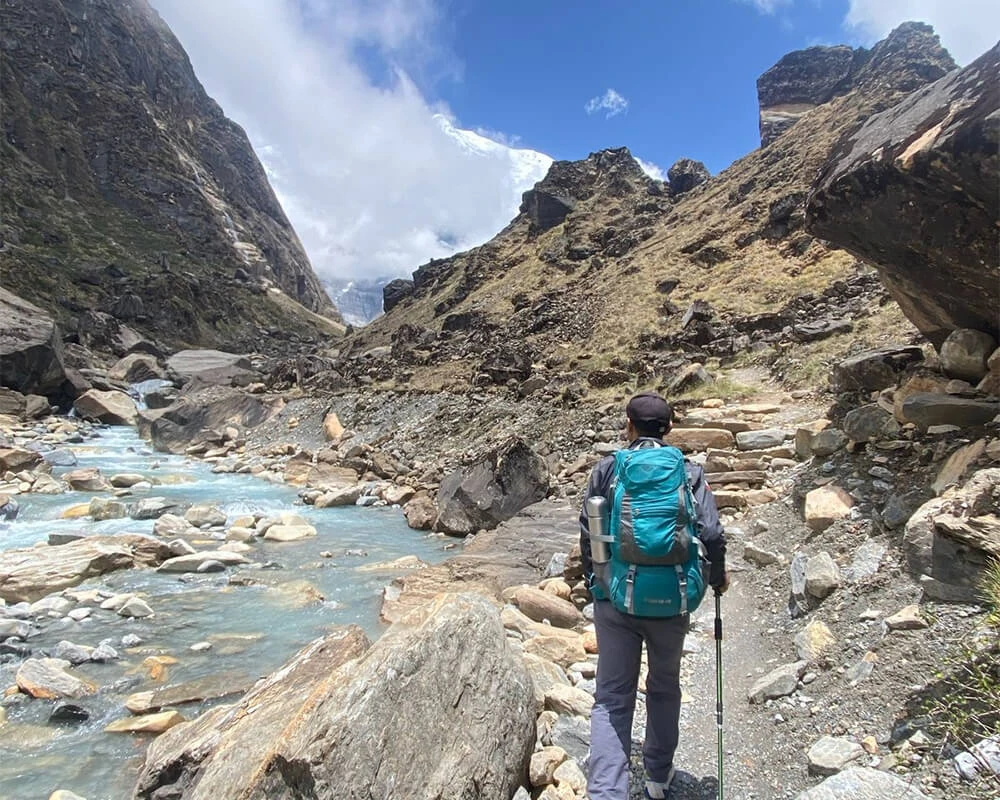
  • Diverse Himalayan Landscapes – Walk through alpine meadows, terraced fields, peaceful valleys, dense forests, and dramatic mountain terrain.
  • Peaceful & Remote Adventure – Experience the quieter side of the Annapurna region, away from the crowds of popular trekking routes.
  • Scenic Viewpoints – Stop at beautiful vantage points to enjoy and photograph spectacular mountains, valleys, and landscapes.
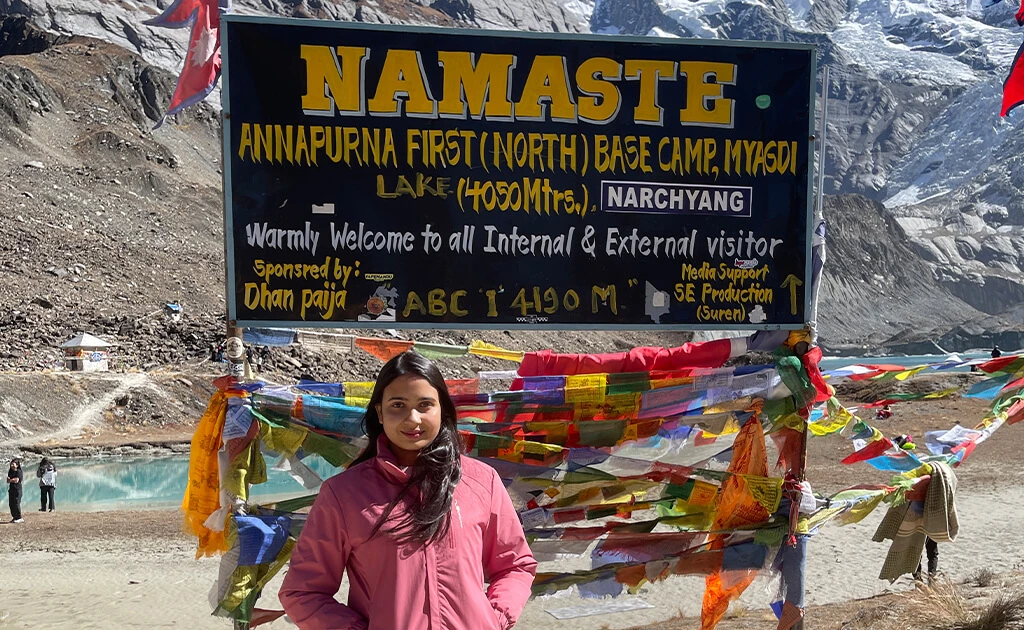
  • Overnight at Annapurna North Base Camp – Spend the night at 4,190 m and wake up surrounded by magnificent Himalayan scenery.
  • Wildlife & Biodiversity – Explore the natural environment of the Annapurna Conservation Area, home to diverse plant and wildlife species.
  • Relax at Tatopani Hot Springs – Finish the adventure with a soothing soak in the natural hot springs of Tatopani.

The North Annapurna Base Camp Trek, also known as the Annapurna First Base Camp Trek, is one of Nepal’s most remote and rewarding Himalayan adventures. Located on the northern side of Annapurna I (8,091 m), this lesser-travelled route offers a completely different experience from the classic Annapurna Base Camp and Annapurna Circuit trails. Instead of following crowded trekking paths, you journey deep into a peaceful mountain wilderness surrounded by towering peaks, pristine landscapes, traditional villages, forests, rivers, waterfalls, glaciers, and alpine lakes. The trek also carries an important place in Himalayan mountaineering history. The northern approach is associated with the historic 1950 French Annapurna expedition led by Maurice Herzog and Louis Lachenal, which achieved the first successful ascent of an 8,000-meter peak. Today, trekkers can follow sections of this historic approach toward the northern base camp and experience the dramatic landscape that has attracted adventurers for generations.

The journey begins in the lower Annapurna region and gradually moves from green hills, terraced farmland, and traditional Magar and Gurung communities into remote alpine terrain. As you gain altitude, the landscape changes dramatically, with rugged valleys, glacial streams, waterfalls, rocky trails, and magnificent Himalayan views. Along the route, you can experience the peaceful lifestyle of mountain communities while enjoying a trail that sees far fewer trekkers than the popular Annapurna routes. One of the major highlights is reaching Annapurna North Base Camp at approximately 4,190 meters. Standing beneath the enormous northern face of Annapurna I, surrounded by glaciers and high Himalayan peaks, is a truly memorable mountain experience. The spectacular Panchakunda Lake, a beautiful alpine lake near the upper section of the route, adds another special attraction to this remote journey. The North ABC Trek is primarily a camping adventure, making it ideal for trekkers who want to experience the Himalayas away from busy teahouse trails. Nights under canvas, quiet mountain surroundings, clear Himalayan skies, and the sounds of nature create a genuine wilderness atmosphere. The route also offers opportunities to observe the diverse landscapes and biodiversity of the Annapurna Conservation Area. From the historic trail and spectacular views of Annapurna I to remote villages, waterfalls, glaciers, alpine lakes, and peaceful mountain landscapes, the Annapurna North Base Camp Trek combines adventure, history, culture, and nature into one extraordinary journey. If you are looking for an off-the-beaten-path trek in Nepal and want to discover a quieter side of the Annapurna Himalayas, North ABC offers an unforgettable experience beyond the usual trekking routes.

Major Attractions

The Annapurna North Base Camp Trek is a remote and thrilling Himalayan journey designed for adventure seekers who want to immerse themselves in the raw beauty of the mountains, far from the crowds. Set in an isolated and pristine part of the Annapurna region, this trek offers an authentic wilderness experience surrounded by dramatic landscapes, towering peaks, glaciers, alpine lakes, and peaceful mountain valleys.

Up close with Annapurna I (8,091m):The ultimate highlight is standing at the foot of the north face of Annapurna I, enjoying a surreal, panoramic view of Annapurna, Nilgiri, and Dhaulagiri ranges—a photographer’s dream and a spiritual moment for every trekker.

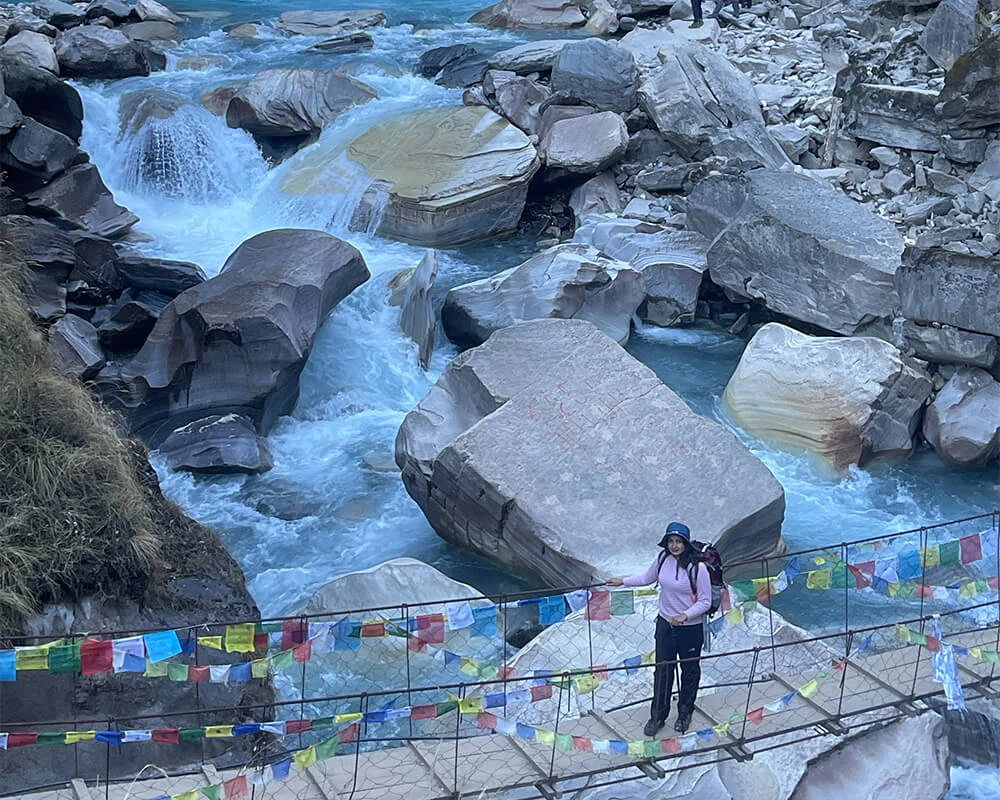
Natural Diversity:Trek through changing landscapes—lush green forests, meadows, pine woodlands, rivers, rocky trails, glacial lakes, and dramatic terraced fields. You’ll also pass the famous Phutphute Waterfall

Rare Wildlife Encounters: Located within the Annapurna Conservation Area, the region is a haven for wildlife lovers. You may spot endangered species such as the snow leopard, Himalayan musk deer, blue sheep, Himalayan tahr, marten, and weasels.

Yarsagumba Region: This trail is known for the rare Yarsagumba (Cordyceps sinensis)—a high-value medicinal fungus often called "Himalayan gold."

Camping or Basic Tea House: As a camping-based trek, nights under the stars are unforgettable. Enjoy stargazing by the riverside with only the sounds of nature—a truly rejuvenating experience. But now a basic tea house is available, as per the client's interest, the company will organise both modes of trekking.

Tatopani Natural Hot Springs: A highlight on the return journey is the natural hot springs at Tatopani, perfect for soothing sore muscles and unwinding in nature’s spa.

Itinerary
Expand AllCollapse All

  • Altitude1400 m
  • AccommodationHotel
  • Time2 hrs

One of our officials will greet you at the Tribhuvan International Airport, Kathmandu, upon your arrival. We will take you to the hotel in our private tourist vehicle.

  • Altitude1190 m
  • AccommodationHotel
  • Time6 hrs

After an early breakfast at the hotel, you will be transferred to the domestic airport for your scenic 25-minute flight to Pokhara, Nepal’s beautiful lake city. Upon arrival, our representative will meet you and begin the drive to Tatopani, a distance of approximately 116 km that takes around 3.5 to 4 hours by private vehicle. Enjoy views of terraced hillsides, rivers, and villages along the way. Upon reaching Tatopani, check in at your lodge and relax.

In the evening, enjoy a relaxing natural hot spring bath located beside your hotel.

  • Altitude3306 m
  • AccommodationBasic Tea house
  • Time2.5 Jeep ride and 4 hrs trek

After breakfast, take a local 4WD jeep from Tatopani to Humkhola (2,883m)—a scenic off-road journey of around 2.5 hours. From Humkhola, begin your 3-hour trek to Sadhikharka (3,160m), where you'll stop for lunch. After a short 45-minute walk, arrive at Gupha Phant (3,306m) for an overnight stay at a basic tea house.

  • Altitude4050 m
  • AccommodationBasic Tea House
  • Time5 hrs

Trek from Gupha Phant (3,306m) to Pancha Kundha Campsite (4,050m)—a 5-hour hike through alpine terrain. Once home to five glacier lakes, the area has changed due to the effects of global warming. Stay overnight in the serene lap of Annapurna I, surrounded by dramatic Himalayan scenery.

  • Altitude3160 m
  • AccommodationBasic Tea House
  • Time5 hrs

Early morning hike to Annapurna North Base Camp (4,190m) for a breathtaking sunrise view. Spend some time soaking in the majestic scenery of Annapurna I, then retrace your steps back to Sadhikharka—a 5-hour descent through stunning mountain landscapes.

  • Altitude822 m Pokhara
  • AccommodationHotel
  • Time6 hrs

Trek 1.5 hours from Sadhikharka to Humkhola (2,883m), then take a 2.5-hour jeep ride back to Tatopani. After lunch, enjoy a relaxing soak in the natural hot springs. In the afternoon, drive back to Pokhara—a scenic journey of approximately 4 hours.

  • Altitude822 m
  • AccommodationHotel
  • Time5-6 hrs

Early morning visit to Pumdikot to see the majestic Shiva statue, followed by a peaceful stop at the World Peace Stupa. Later, explore the mystical Gupteshwor Cave. In the afternoon, relax and enjoy the vibrant atmosphere of Pokhara’s Lakeside.

  • Altitude1400 m
  • AccommodationHotel
  • Time5-6 hrs

After breakfast, fly back to Kathmandu. On the way from the airport, visit the sacred Boudhanath Stupa. After hotel check-in and some rest, head out in the evening to explore Swayambhunath Stupa and the historic Kathmandu Durbar Square.

    Our team will transfer you to the airport 3 hours before your flight time, following international travel standards. We bid you farewell with warm wishes and hope to see you again in Nepal

    Trip Cost Details
    Included
    • Airport (Pick Up and Drop), by private vehicle.
    • Accommodation in Kathmandu and Pokhara  (3-star category) - twin sharing room on bed and breakfast plan.
    •  All necessary paperwork: TIMS Card, Annapurna Conservation Area Project (ACAP) fees.
    • Domestic flight from Kathmandu to Pokhara and while returning from Pokhara to Kathmandu. Drive from Pokhara to Humkhola and while returning from Humkhola to Pokhara as per the itinerary.
    • Up to 10 Kg per member as personal baggage during the trek to be carried by porters.
    • 3 meals a day (breakfast, lunch, and dinner; including tea and coffee) along with accessible accommodation at Hotel/Lodge/Tent during the trek. 
    • Government-licensed Guide (English speaking) during the trek and sightseeing in Kathmandu Valley
    • Kathmandu and Pokhara sightseeing as per itinerary
    Excluded
    • Nepal Visa Fee | Nepal Travel Information
    • Meals in Cities: Lunch and dinner in Kathmandu and Pokhara 
    • Personal nature expenses
    • Trekking Gear: Personal trekking clothing and equipments, such as sleeping bag, Down Jacket,Trekking Poles and Trekking shoes
    • Entrance fee ( During sightseeing)
    • Tips for staffs ( Expected)
    Useful Info

    Best Time

    The best time for the North Annapurna Base Camp Trek is spring (March to May) and autumn (October to November). During these seasons, the weather is generally more stable, with clearer skies, better mountain visibility, and pleasant conditions for trekking and camping. Spring brings blooming rhododendrons and fresh greenery to the lower valleys, while autumn offers crisp mountain views and beautiful landscapes after the monsoon. The autumn season also provides opportunities to experience Nepal’s major festivals and local traditions along the journey. Because the route reaches 4,190 meters, weather conditions can change quickly at higher elevations. Winter can bring freezing temperatures and snow, while the monsoon months may bring rain, clouds, and wet or slippery trails. For the best combination of favorable weather, mountain views, and comfortable trekking conditions, spring and autumn are generally the preferred seasons.

    Permit Require for Annapurna North BC

    Trekkers visiting the North Annapurna Base Camp area need an Annapurna Conservation Area Permit (ACAP) because the route lies within the Annapurna Conservation Area. The permit helps support the conservation, environmental management, and sustainable development of the protected region. For the latest permit fees and requirements, it is best to confirm the current rates before departure, as government fees and regulations can change. Unlike restricted trekking areas such as Upper Mustang, the North Annapurna Base Camp route does not generally require a Restricted Area Permit.

    Difficulty Level

    The North Annapurna Base Camp Trek is a challenging remote Himalayan trek, mainly because of its altitude, wilderness setting, camping requirements, and limited facilities. The trail reaches approximately 4,190 meters, so trekkers need to allow enough time for gradual acclimatization and be prepared for changing mountain weather. Previous high-altitude trekking experience is helpful but not necessarily essential for physically prepared trekkers. You should be comfortable walking for several hours a day on uneven mountain trails while carrying a daypack. The remoteness of the route makes preparation particularly important, as medical facilities, teahouses, and other services are limited in the upper sections. A good level of fitness, proper acclimatization, appropriate clothing and equipment, and guidance from an experienced trekking team can make the journey safer and more enjoyable.

    Accommodation

    The North Annapurna Base Camp Trek is no longer limited to camping, as basic teahouses and local shelters are available along parts of the route. However, facilities are still limited compared with the popular Annapurna trekking routes. Accommodation is simple and basic, offering trekkers a place to rest and spend the night while experiencing the peaceful and remote surroundings. Because of the limited facilities, we recommend carrying a good-quality sleeping bag and essential personal trekking gear. A power bank or charging backup, raincoat, windproof and waterproof jacket, waterproof hiking shoes, headlamp, dry fruits or energy snacks, and basic medicines are useful for the journey. There is no need to overthink or overpack for North ABC. It is not an extremely long trek, and with proper preparation and the right essentials, you can enjoy the journey comfortably. Pack smart, stay prepared, and enjoy the mountains.

    Preparation for Annapurna North Base Camp Trek

    Proper preparation is important for the North Annapurna Base Camp Trek, particularly because the route is remote and reaches high altitude. You do not necessarily need to be an experienced mountaineer, but you should have enough fitness to walk for around 5–7 hours on trekking days, depending on the itinerary, trail conditions, and altitude. Before the trek, regular walking, hiking, jogging, stair climbing, or other aerobic activities can help improve your endurance. It is also useful to practice walking with a backpack so your body becomes comfortable carrying your personal gear. Mental preparation is equally important. This is a remote camping adventure with basic facilities, simple meals, changing weather, and limited access to services in the upper sections. Pack appropriate layers, warm sleeping equipment, waterproof clothing, sturdy trekking shoes, a headlamp, personal medicines, water bottles, and other essential trekking gear. Most importantly, follow your guide's advice regarding pace, hydration, rest, and acclimatization. If you experience symptoms that may indicate altitude illness, inform your guide immediately.

    Best Viewpoints on North ABC

    The North Annapurna Base Camp Trek offers spectacular photography opportunities from the lower valleys to the high alpine landscape. Narchyang Waterfall, Futfutey Waterfall, Panchakunda Lake, glaciers, forests, traditional villages, and the Annapurna and Nilgiri mountain ranges are among the memorable highlights along the route. As you gain altitude, the scenery gradually changes from green hills and forests to rugged alpine valleys and dramatic Himalayan terrain. Near the upper camps, the enormous mountain walls and surrounding glaciers create some of the most impressive views of the journey. Early morning and late afternoon often provide beautiful natural light for photography, while clear days offer the best opportunity to capture the Himalayan panorama. At the same time, take time to enjoy the landscape beyond the camera—the remote atmosphere and peaceful surroundings are an important part of the North ABC experience.

    Panchakunda Lake: Natural and Cultural Significance

    Panchakunda Lake, also known locally as Narchyang Lake, is one of the remarkable natural attractions of the North Annapurna Base Camp region. Located in the high alpine landscape, the lake is surrounded by rugged mountains and becomes particularly striking when viewed against the Himalayan backdrop. The lake also holds cultural and religious significance for local communities. During Janai Purnima, pilgrims traditionally visit sacred lakes and high-altitude pilgrimage sites across Nepal, and Panchakunda is associated with local religious traditions. Depending on the season and weather, the appearance of the lake can change dramatically, from clear water during warmer months to a frozen landscape in winter. Its combination of natural beauty, high-altitude surroundings, and cultural importance makes Panchakunda Lake a memorable stop on the North ABC journey.

    Why Trek North Annapurna Base Camp?

    The North Annapurna Base Camp Trek is more than a journey to a mountain base camp. It is an opportunity to explore a quieter corner of the Annapurna region, experience remote Himalayan landscapes, meet local communities, follow a historically significant mountain route, and spend nights in peaceful wilderness camps. From traditional villages and waterfalls to glaciers, Panchakunda Lake, alpine valleys, and the magnificent northern face of Annapurna I, every section of the trek offers something different. For travelers seeking a genuine off-the-beaten-path adventure in Nepal, North ABC provides an unforgettable combination of nature, culture, history, and Himalayan wilderness.

    Our global team of experts is here to assist you.

    Need Travel Advice