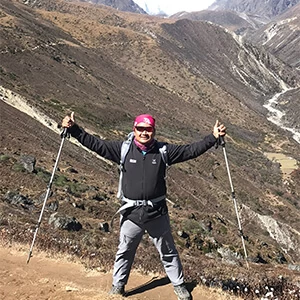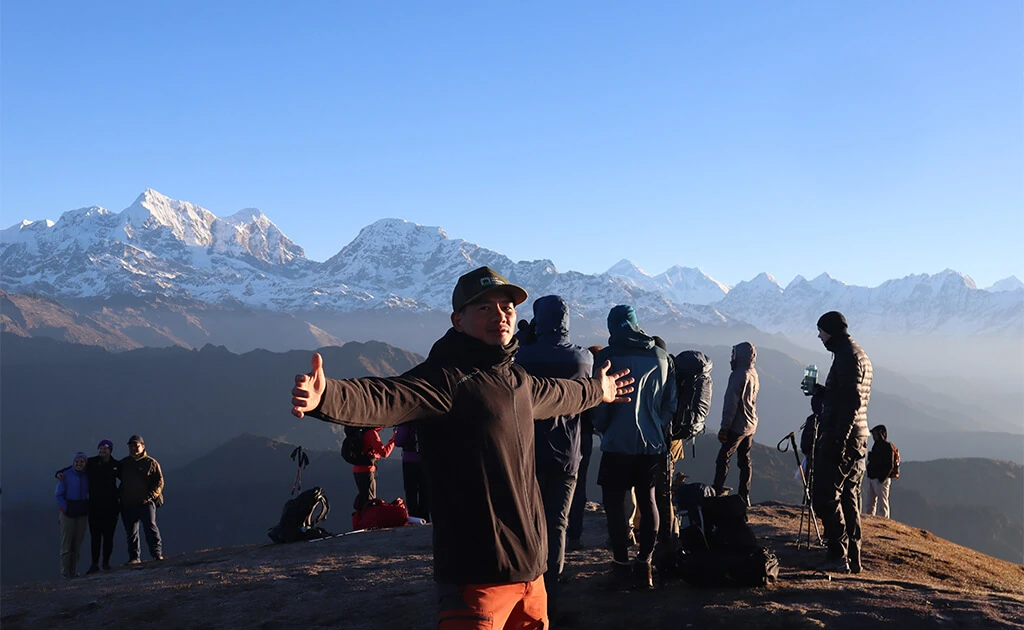

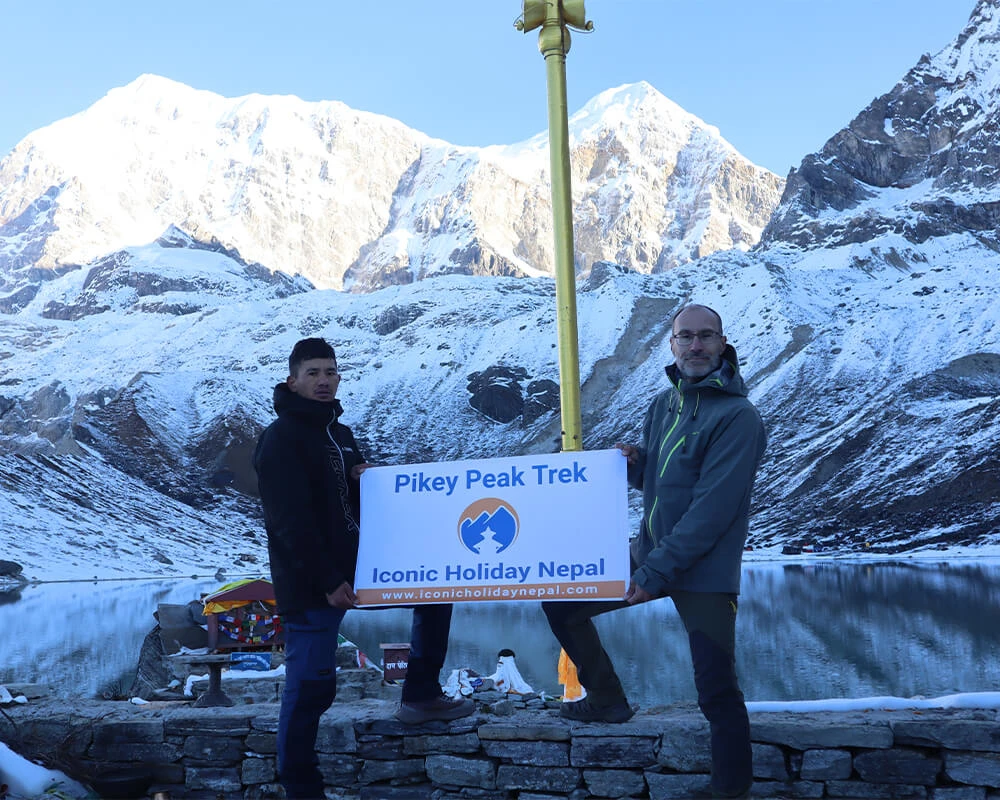
The Pikey Peak and Dudh Kunda Trek is an increasingly popular off-the-beaten-path adventure in the Lower Everest (Solu) region, combining spectacular Himalayan scenery, authentic Sherpa culture, Buddhist traditions, and peaceful mountain trails. This less-crowded trekking route offers an ideal alternative to the busy Everest Base Camp trail while still providing unforgettable views of Mount Everest and the Himalayan range. The journey begins with a scenic climb toward Pikey Peak, one of the best viewpoints in the Lower Everest region. From the summit, trekkers can enjoy a breathtaking panorama of Mount Everest, Makalu, Kanchenjunga, Lhotse, Numbur, Karyolung, and other Himalayan peaks. The beautiful sunrise and sunset views from Pikey Peak are among the major highlights of the trek.
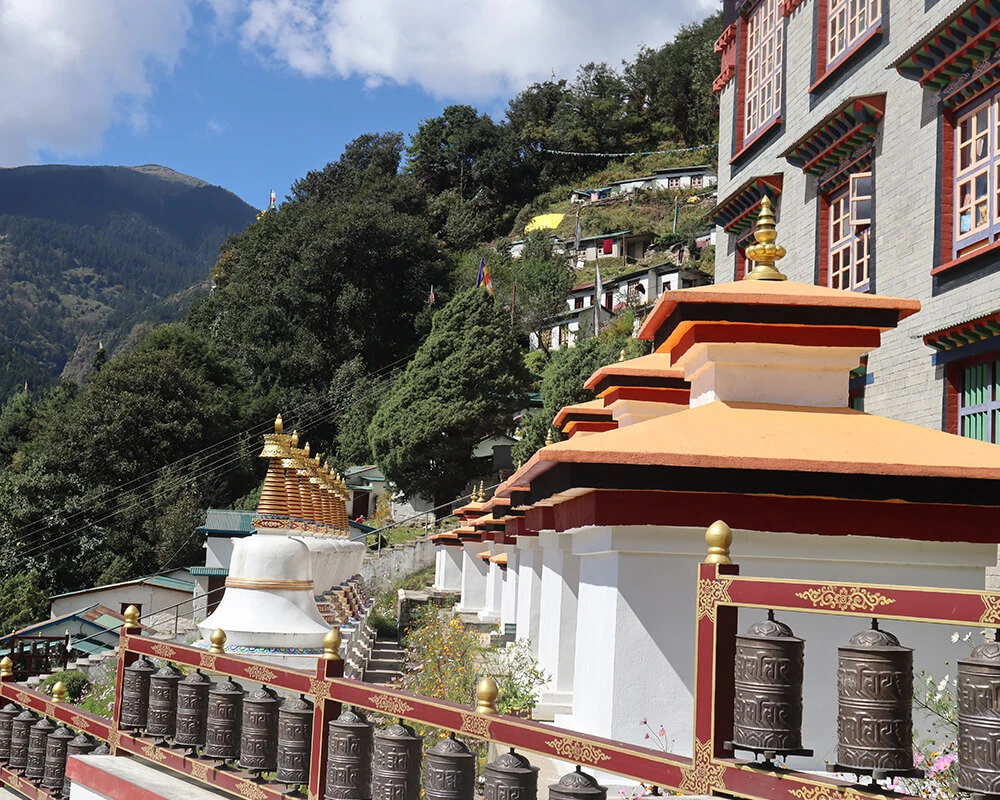
As the trail descends through peaceful valleys and traditional settlements, you experience the unique Sherpa culture and Tibetan Buddhist heritage of Solu. Ancient monasteries, prayer flags, mani walls, and traditional villages add a cultural dimension to the trek. A stay at a monastery guesthouse provides an opportunity to experience the peaceful spiritual atmosphere of the region. The trail then leads toward Dudh Kunda, a sacred alpine lake situated beneath the impressive Numbur Himal. Surrounded by rugged mountains, green hills, and quiet wilderness, Dudh Kunda is an important pilgrimage site for both Hindus and Buddhists. During Janai Purnima, pilgrims from different parts of Nepal visit the lake, making it a particularly meaningful cultural and spiritual destination. After exploring Dudh Kunda, the trek continues across scenic mountain trails and remote landscapes before reaching Junbesi, one of the most beautiful Sherpa villages in the Solu region. The combination of Pikey Peak sunrise, Dudh Kunda, Himalayan mountain views, Sherpa villages, Buddhist monasteries, and remote trekking trails makes this route a rewarding choice for travelers looking for a quieter and more authentic Nepal trekking experience. Designed to visit Pikey Peak before Dudh Kunda, the itinerary also provides a gradual approach to higher elevations while allowing trekkers to experience the diverse landscapes and culture of the Lower Everest region.