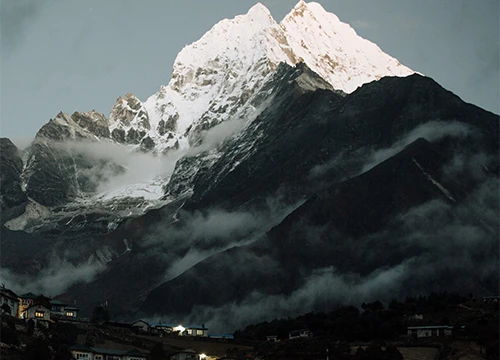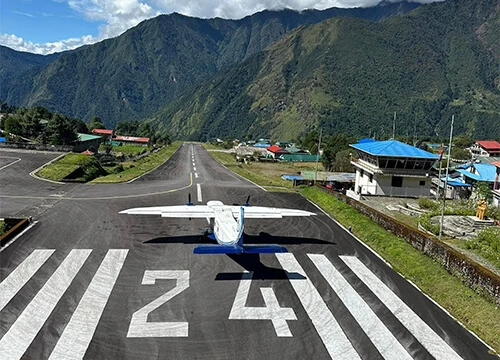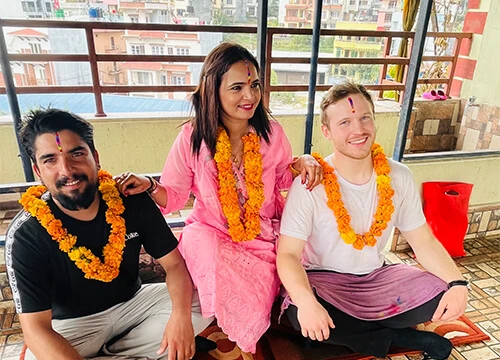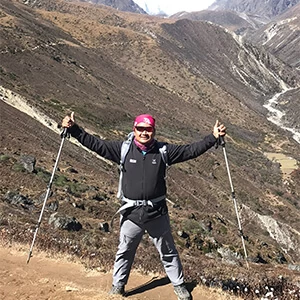
Dolpo is not just another trekking destination. It is a journey into the hidden Himalayan world of Nepal, where nature, culture, spirituality and adventure come together. From the turquoise beauty of Shey Phoksundo Lake to the ancient monasteries of Upper Dolpo, every part of this region offers something unique. Its remote valleys, traditional villages and spectacular mountain landscapes create memories that remain long after the journey ends.
Upper Dolpa vs Lower Dolpa Trek
Table of Contents
Dolpo Trekking in Nepal
Nepal is a country of extraordinary natural beauty, cultural diversity and unforgettable Himalayan adventures. While Everest and Annapurna attract travellers from around the world, there is another part of Nepal that remains relatively untouched by modern tourism. Hidden in the remote northwestern Himalayas, Dolpo is a destination where ancient traditions, dramatic mountain landscapes and peaceful valleys create one of the most authentic trekking experiences in Nepal. Dolpo Trekking is more than a mountain adventure. It is a journey into a different world, where traditional Tibetan-influenced villages, ancient monasteries, sacred mountains and high-altitude desert landscapes remain closely connected to everyday life. Located in Dolpa District of Karnali Province, Dolpo is famous for its geographical isolation, unique culture and spectacular natural environment. The region is home to the beautiful Shey Phoksundo Lake, traditional settlements such as Ringmo, Saldang and Dho Tarap, and important spiritual destinations such as Shey Gompa and Crystal Mountain.
Dolpo is generally divided into Upper Dolpo and Lower Dolpo. Both regions offer extraordinary trekking opportunities, but the landscapes, cultural experiences, trekking duration and level of difficulty are different. For travellers looking for something beyond the popular trekking trails, Dolpo offers an opportunity to discover one of Nepal's most remote and fascinating Himalayan regions. In this complete guide, we cover everything you need to know about trekking in Dolpo, including where it is located, how to reach it, Upper Dolpo vs Lower Dolpo, trekking routes, permits, costs, difficulty, accommodation, best seasons and essential travel information.
Where Is Dolpo in Nepal?
Dolpo is located in the northwestern part of Nepal, within Dolpa District of Karnali Province. Surrounded by the high Himalayan mountain ranges, this remote region lies behind the mighty Dhaulagiri range and forms part of Nepal's spectacular trans-Himalayan landscape. Its geographical location has helped preserve the traditional lifestyle, cultural heritage and natural environment of the region. Unlike many popular trekking destinations, Dolpo has remained relatively isolated, with limited road access and a small number of visitors each year. The landscape is remarkably diverse. You can find green forests, deep river valleys, rocky mountain slopes, high-altitude deserts, alpine meadows and beautiful glacial lakes. Much of Dolpo lies within the rain shadow of the Dhaulagiri range, which gives the northern valleys a dry and desert-like appearance. This landscape is quite different from the lush green trekking trails of Annapurna and Everest. The region is also home to Shey Phoksundo National Park, Nepal's largest national park, which protects a unique trans-Himalayan ecosystem and rare Himalayan wildlife.
Dolpo is particularly Famous For
Dolpa (also known as Dolpo) in western Nepal is famous for its extreme remoteness, high-altitude trans-Himalayan landscapes, ancient Tibetan-linked culture, and Shey Phoksundo Lake. For travellers interested in remote trekking, traditional culture and wilderness exploration, Dolpo is one of the most rewarding destinations in Nepal.
High-Altitude Remoteness: Located behind the Dhaulagiri massif near the Tibetan border, with much of the terrain sitting above 3,500 meters in a rain-shadow zone.
Tibetan & Bon Culture: Preserves centuries-old Tibetan Buddhist and Bon traditions, ancient monasteries like 11th-century Shey Gompa, and high-altitude settlements.
Rare Wildlife:Shelters elusive mountain animals, including snow leopards, blue sheep, and Tibetan wolves.
Books & Cinema: Gained international fame through Peter Matthiessen's book The Snow Leopard and Eric Valli's Oscar-nominated film Himalaya (Caravan).
Shey Phoksundo Lake & National Park: Home to Shey Phoksundo National Park—Nepal's largest national park and Phoksundo Lake, its deepest lake.
Upper Dolpo vs Lower Dolpo: Understanding the Difference
Dolpo is generally divided into two main trekking areas: Upper Dolpo and Lower Dolpo. Although both regions share similar cultural and geographical characteristics, they offer different trekking experiences. Lower Dolpo is particularly famous for Shey Phoksundo Lake, one of the most beautiful alpine lakes in Nepal. The turquoise-blue water, dramatic mountain cliffs and traditional Ringmo Village create an extraordinary Himalayan landscape. The trekking route passes through forests, remote settlements, river valleys and high mountain passes. Dho Tarap is another important destination, offering a fascinating insight into the traditional lifestyle and cultural heritage of the Dolpo people. Lower Dolpo is a good option for travellers who want to experience remote Himalayan trekking without committing to a month-long expedition. Upper Dolpo is one of the most remote and challenging trekking destinations in Nepal. Located further north towards the Tibetan border, the region is known for its high-altitude desert landscape, ancient monasteries, isolated settlements and strong Tibetan cultural influence. The journey takes trekkers through traditional villages such as Saldang and Namgung, the sacred Shey Gompa and the spectacular Crystal Mountain. The region is especially appealing to experienced trekkers who enjoy long-distance wilderness adventures and cultural exploration.
|
|
| |||||
| Location | Northern Dolpa | Southern and Central Dolpa | |||||
| Duration | 22-25 days | 15 -18 days | |||||
| Difficulty | Very Challenging | Moderate to Challenging | |||||
| Landscape |
|
| |||||
| Culture |
|
| |||||
| Accomodation |
|
| |||||
| Max Altitude | Above 5000m need to cross multiple passes | Above 5000m need to cross 2 passes | |||||
| Popular Attraction |
|
|
Culture and Traditional Lifestyle of Dolpo
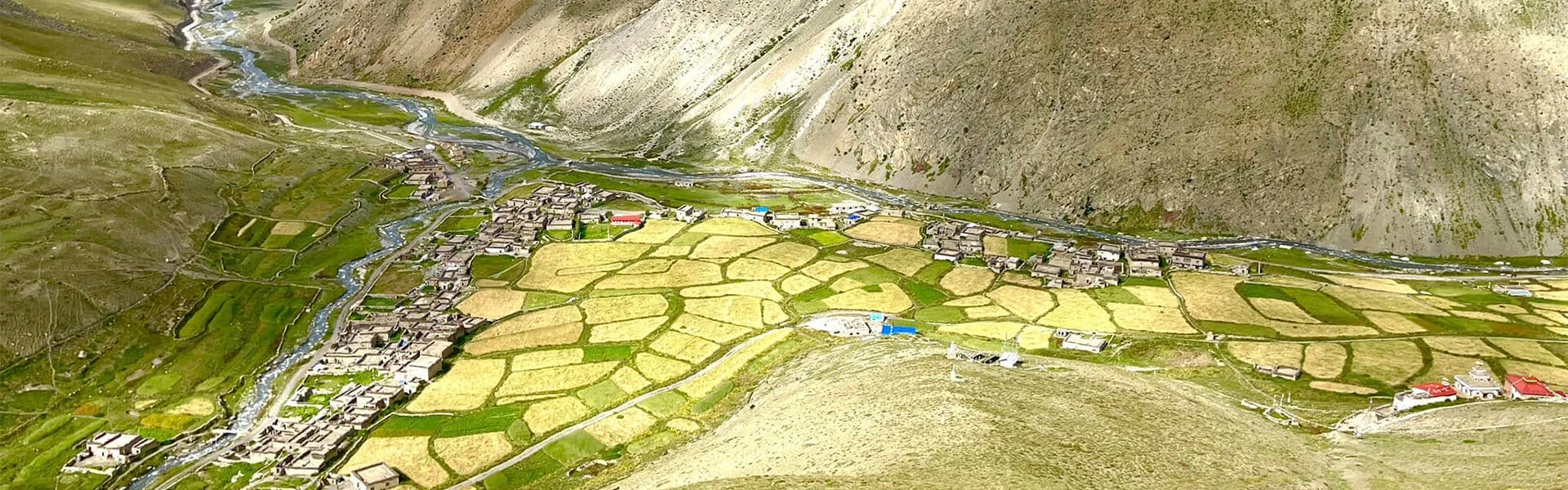
One of the most fascinating aspects of trekking in Dolpo is its unique cultural heritage. Because of its geographical isolation and historical connection with Tibet, the region has preserved many traditional customs, religious practices and lifestyles. Tibetan Buddhism and the ancient Bon religion have influenced the local communities for generations. Prayer flags, mani walls, chortens, monasteries and traditional religious ceremonies are common features of the villages. In Upper Dolpo, villages such as Saldang and Namgung offer a rare opportunity to experience traditional Himalayan life. The settlements are characterised by stone houses, traditional agricultural practices, yak herding and a strong connection with the surrounding mountains. Lower Dolpo also has a rich cultural identity, particularly around Ringmo and Dho Tarap. Travellers can interact with local communities, visit ancient monasteries and learn about traditional Himalayan lifestyles. The people of Dolpo are known for their hospitality and close relationship with their natural environment. For travellers interested in culture, history and traditional communities, Dolpo offers an experience that goes far beyond ordinary trekking.
Ancient Monasteries and Spiritual Heritage
Dolpo is home to several ancient monasteries and important spiritual destinations. Shey Gompa is one of the most famous monasteries in the region. Located in a remote valley beneath the sacred Crystal Mountain, it is an important pilgrimage destination for followers of Tibetan Buddhism. Crystal Mountain, also known as Riwo Drugdra, is considered sacred by local Buddhist communities. Pilgrims traditionally walk around the mountain as an act of religious devotion. Tsakang Gompa is another important spiritual site in the area, situated in a dramatic mountain landscape. The region also has a strong connection with the ancient Bon religion, which remains an important part of the cultural identity of some communities. Exploring these monasteries gives visitors an opportunity to understand the spiritual traditions and religious history of western Nepal.
Landscape and Natural Beauty of Dolpo
The natural beauty of Dolpo is quite different from other trekking destinations in Nepal.The southern valleys feature forests, rivers and green hills, while the northern areas gradually open into dry, rugged and desert-like landscapes. During the journey, trekkers can experience:
- Dense pine and juniper forests.
- Deep river valleys and dramatic gorges.
- High mountain passes and rocky trails.
- Beautiful alpine lakes and waterfalls.
- Wide high-altitude valleys.
- Snow-covered mountain peaks.
- Traditional villages surrounded by dramatic landscapes.
The changing scenery makes Dolpo particularly attractive for landscape photographers and travellers interested in exploring remote natural environments. The region is also part of an important Himalayan ecological zone, supporting wildlife adapted to high-altitude conditions.
Wildlife in Dolpo: Home of the Elusive Snow Leopard
Dolpo is one of Nepal's important wildlife habitats, particularly for rare high-altitude Himalayan species. Shey Phoksundo National Park protects a wide range of ecosystems, from lower forest areas to high mountain environments. The region is home to several fascinating animals, including:
- Snow leopard
- Blue sheep (Bharal)
- Himalayan musk deer
- Himalayan tahr
- Himalayan wolf
- Himalayan black bear
- Golden eagle and other mountain birds
The snow leopard is one of the most fascinating animals associated with Dolpo. The remote valleys around Shey Gompa and Saldang are important habitats for this elusive Himalayan predator. Although sightings are possible, they are rare and never guaranteed. Trekkers interested in wildlife observation should consider a dedicated trip with an experienced local naturalist.
How Difficult Is Dolpo Trekking?
Dolpo trekking is considered challenging because of its remote geographical location, high-altitude mountain passes, long walking days and limited facilities. The difficulty depends on whether you choose Upper Dolpo, Lower Dolpo or the combined circuit.
Lower Dolpo Trek Difficulty
Lower Dolpo is generally shorter than Upper Dolpo, but it is still a strenuous adventure. The route includes steep ascents, rocky trails, remote camping locations and high mountain passes such as Numa La (5309m) and Baga La (5169m) on the classic circuit. The altitude, weather conditions and limited access to medical facilities require careful preparation. Trekkers should have good physical fitness and previous experience with multi-day mountain trekking.
Upper Dolpo Trek Difficulty
Upper Dolpo is considerably more demanding because of its longer duration, remote terrain and extended exposure to high altitude. The journey includes multiple mountain passes above 5,000 metres and several consecutive days in isolated valleys. Trekkers must be prepared for:
- Long walking days.
- High-altitude mountain passes.
- Cold nights and unpredictable weather.
- Basic camping facilities.
- Limited food and supply availability.
- Remote locations with limited emergency support.
- Previous experience with high-altitude trekking and camping expeditions is strongly recommended.
Combined Upper and Lower Dolpo Circuit
The combined circuit is suitable for experienced trekkers who have sufficient time and physical preparation. The extended duration, challenging terrain and remote camping conditions require good endurance and mental resilience. Proper acclimatisation and a carefully designed itinerary are essential. Our recommendation: Lower Dolpo is a good introduction to remote trekking in the region, while Upper Dolpo is more suitable for experienced adventurers looking for a longer and more demanding Himalayan expedition.
How to Reach Dolpo, Nepal?
Reaching Dolpo is an adventure in itself. Because of its remote location and limited transportation facilities, travellers need to plan their journey carefully. The most convenient way to reach the Lower Dolpo trekking region is by taking domestic flights from Kathmandu to Nepalgunj and then connecting to Juphal.
Kathmandu to Nepalgunj : The first stage of the journey is a domestic flight from Kathmandu to Nepalgunj. The flight takes approximately one hour and connects Nepal's capital with this important city in western Nepal. Nepalgunj is the main transportation gateway for several remote destinations in Karnali Province.
Nepalgunj to Juphal: From Nepalgunj, travellers take a connecting domestic flight to Juphal Airport in Dolpa District. The flight usually takes approximately 35–45 minutes, subject to airline schedules and weather conditions. Juphal is the main air gateway for trekking in Dolpo.
Juphal to Dunai: After arriving at Juphal, trekkers continue towards Dunai, the district headquarters of Dolpa. The walk generally takes around 2–3 hours, depending on the route and walking pace. From Dunai, the trekking journey continues towards the beautiful Phoksundo region and other remote valleys.
How to Reach Upper Dolpo?
Upper Dolpo trekking generally begins through the same transportation route via Nepalgunj and Juphal. From Juphal, the trail continues through Lower Dolpo and towards the northern valleys, depending on the selected itinerary. Upper Dolpo is much more remote, and there is no regular road or flight connection to most of its traditional settlements. Proper arrangements for camping, food supplies, trekking staff and local transportation are essential. Important travel information: Domestic flights to Juphal are highly dependent on weather conditions. Delays and cancellations can occur, so it is advisable to keep additional travel days in your itinerary.
Accommodation: Camping and Basic Local Facilities
Unlike popular trekking regions such as Everest and Annapurna, Dolpo has very limited accommodation facilities. Most Upper Dolpo routes require organised camping because there are very few established lodges along the trekking trails. A typical camping arrangement includes:
- Sleeping tents.
- Dining tents.
- Kitchen equipment.
- Experienced cooks and kitchen staff.
- Trekking guides and porters.
- Food supplies and camping logistics.
Lower Dolpo also includes several camping nights, although some villages offer basic local accommodation. Facilities are simple, and trekkers should not expect comfortable hotels, modern lodges or regular hot showers. Camping in Dolpo is part of the adventure. Spending nights in remote Himalayan valleys, surrounded by mountains and beautiful natural landscapes, creates a unique trekking experience. We recommend travelling with a professional trekking company like us that can arrange reliable camping equipment, experienced staff and proper food supplies.
Best Time to Trek Upper Dolpo and Lower Dolpo
Dolpo is located in the rain-shadow region of the Dhaulagiri range, which makes it different from many other trekking destinations in Nepal. While much of Nepal receives heavy monsoon rainfall, Dolpo generally experiences comparatively less rainfall. This makes it an attractive destination for trekking during suitable monsoon-season windows as well as spring and autumn.
Spring Season: May to June
Spring is a good season for trekking in Dolpo.The weather gradually becomes warmer, lower valleys become greener and the mountain scenery is beautiful. However, some high mountain passes may still have snow, especially early in the season.
Summer and Monsoon: July to August
Unlike many popular trekking areas in Nepal, parts of Dolpo are located in the Himalayan rain shadow. This means some routes can remain relatively suitable during the monsoon months. However, access roads, flights and lower sections of the trekking routes may still be affected by rain and landslides. Careful route planning and local weather information are essential.
Autumn Season: September to November
Autumn is one of the best seasons for Dolpo trekking. The skies are generally clearer, mountain views are spectacular and the weather is suitable for exploring high-altitude valleys. September and October are particularly popular months for both Upper and Lower Dolpo. November can become very cold, especially at higher elevations.
Winter Season: December to February
Winter is generally not recommended for the full Upper Dolpo Circuit because of extreme cold, heavy snowfall and possible high-pass closures. Some lower-altitude routes may remain accessible, but winter trekking requires specialist planning and careful assessment of conditions. Best overall recommendation: May to June and September to October are among the most favourable periods for exploring Dolpo.
Dolpo Trekking Permit and Cost
One of the most important considerations when planning a Dolpo adventure is the cost of trekking permits. Unlike many popular trekking destinations in Nepal, Dolpo includes restricted trekking areas that require special permits. The permit fees are considerably higher for Upper Dolpo than for Lower Dolpo. Depending on your selected trekking route, you may need two or three different permits.
Lower Dolpo Restricted Area Permit: The Lower Dolpo Restricted Area Permit is required for trekking in designated restricted areas of Lower Dolpo. The actual permit requirements depend on the route and restricted-area boundaries.The published fee structure for foreign trekkers is:
- USD 20 per person for the first 7 days.
- USD 5 per person for each additional day.
Upper Dolpo Restricted Area Permit: Upper Dolpo requires an additional restricted-area permit, which is considerably more expensive. The published fee structure is:
- USD 500 per person for the first 10 days.
- USD 50 per person for each additional day.
- Minimum permit duration: 10 days., This is one of the most expensive restricted-area trekking permits in Nepal.
Shey Phoksundo National Park Entry Permit: Shey Phoksundo National Park is Nepal's largest national park and protects the unique natural environment of the Dolpo region. Foreign trekkers entering the park require a national park entry permit. A commonly published foreign-trekker rate is USD 30 per person, subject to current regulations.
Conclusion
Dolpo is one of Nepal's most extraordinary destinations, offering a rare combination of untouched natural beauty, ancient culture, spiritual heritage and authentic Himalayan adventure. From the turquoise waters of Shey Phoksundo Lake to the remote villages, ancient monasteries and dramatic high mountain landscapes of Upper Dolpo, every part of this region tells a unique story. Whether you choose the Lower Dolpo Trek, the challenging Upper Dolpo Trek or the complete Dolpo Circuit, you will experience a side of Nepal that remains far beyond the usual tourist trails. The journey may be challenging, the facilities basic and the trails remote, but the rewards are truly unforgettable.
Which Dolpo Trek Should You Choose?
Choosing the right Dolpo adventure depends on your available time, trekking experience, budget and personal interests.
Choose Lower Dolpo If:
- You have around two to three weeks available.
- You want to explore Shey Phoksundo Lake, Ringmo Village, Dho Tarap Village
- You enjoy traditional Himalayan culture and natural landscapes.
- You want a shorter remote trekking adventure.
- You are interested in high mountain passes but do not want a month-long expedition.
Choose Upper Dolpo If:
- You have approximately 24–28 days available.
- You are an experienced high-altitude trekker.
- You want to explore ancient monasteries and traditional Tibetan-influenced villages.
- You enjoy long camping expeditions.
- You are looking for remote Himalayan landscapes and fewer encounters with other trekkers.
- If you are interested in more high altitude hike
Upendra Dawadi
Call us on WhatsApp+977 9851328431OrChat with us