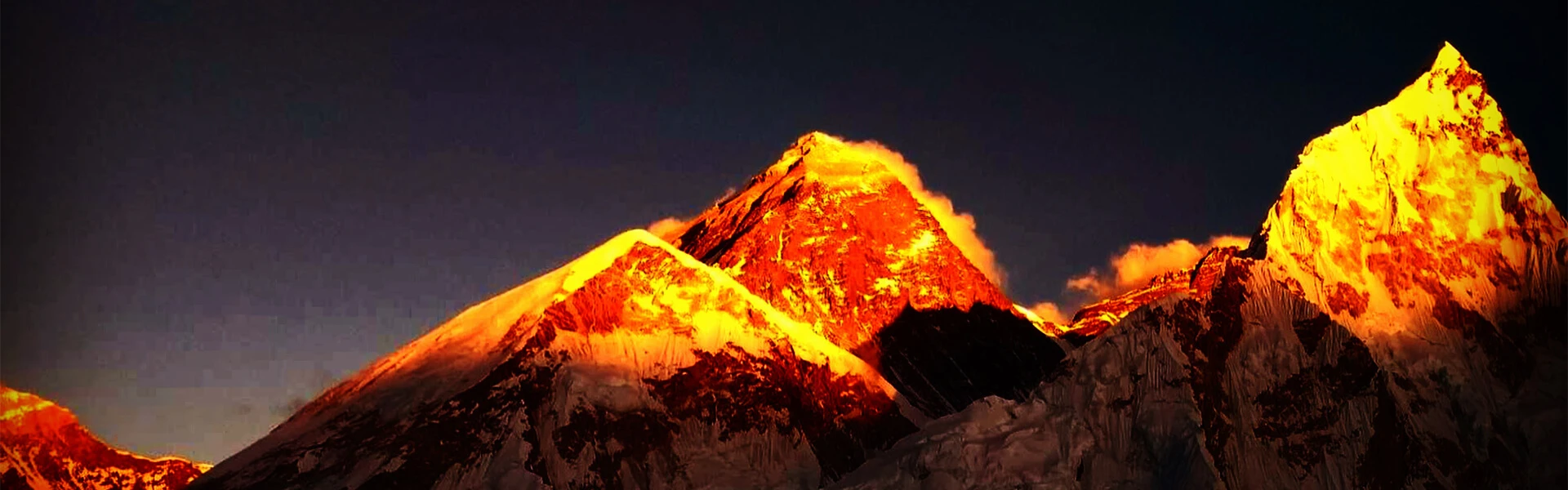
The Khumbu region is home to the legendary Everest Base Camp Trek, one of the world's most popular Himalayan adventures. The journey takes you through beautiful Sherpa villages, the iconic Namche Bazaar, ancient monasteries, spectacular mountain landscapes and traditional tea houses. Surrounded by Everest, Ama Dablam, Lhotse and Nuptse, trekkers experience the rich Sherpa culture, breathtaking Himalayan scenery and the unforgettable achievement of reaching Everest Base Camp at 5,364 metres. It is truly a dream adventure for anyone wishing to experience the world's highest mountain up close.
Everest Basecamp Trek
Table of Contents
The Khumbu region, located in northeastern Nepal, is one of the most beautiful and adventurous destinations in the Himalayas. Home to Mount Everest (8,848.86 m), the world's highest mountain, this spectacular region is famous for its dramatic mountain landscapes, traditional Sherpa villages, ancient Buddhist monasteries and legendary trekking trails.For adventure lovers, the Khumbu is much more than a destination. It is the gateway to some of the world's most iconic mountain adventures, including the Everest Base Camp Trek, Three Passes Trek, Gokyo Lakes Trek and several challenging mountaineering expeditions. The region lies within the Solukhumbu District and includes much of the beautiful upper Khumbu Valley, where traditional mountain life exists alongside a well-established trekking and mountaineering culture. From the exciting mountain flight to Lukla to the lively streets of Namche Bazaar, peaceful villages of Tengboche and Pangboche, and the spectacular landscapes surrounding Everest Base Camp, every part of the journey offers something special. Among all these experiences, the Everest Base Camp Trek remains the most popular trekking adventure in the Khumbu region. But what makes this particular journey so special? To understand its popularity, it is worth exploring the history, culture, natural beauty and mountain adventures that make the Everest region one of the world's most desired travel destinations.
History of the Everest and Khumbu Region
The history of the Khumbu region is closely connected with the Sherpa people and the development of Himalayan mountaineering. The Sherpa community has lived in these high mountain settlements for generations, preserving its unique culture, Buddhist traditions and traditional way of life. The name Everest became internationally famous through the early Himalayan exploration and mountaineering expeditions. Before that, the mountain was already known locally as Sagarmatha in Nepal and Chomolungma in Tibet.
In 1953, Sir Edmund Hillary of New Zealand and Tenzing Norgay Sherpa successfully reached the summit of Mount Everest on 29 May. Their historic achievement brought worldwide attention to Nepal and the Khumbu region, inspiring generations of climbers, trekkers and adventure travellers. Since then, the Everest region has developed into one of the world's most recognised trekking and mountaineering destinations. The establishment of Sagarmatha National Park in 1976 and its designation as a UNESCO World Heritage Site in 1979 further recognised the region's outstanding natural and cultural importance. Today, the Khumbu continues to welcome thousands of international visitors who come to experience its mountains, Sherpa hospitality and extraordinary Himalayan landscapes.
A Journey Through the Heart of the Himalayas
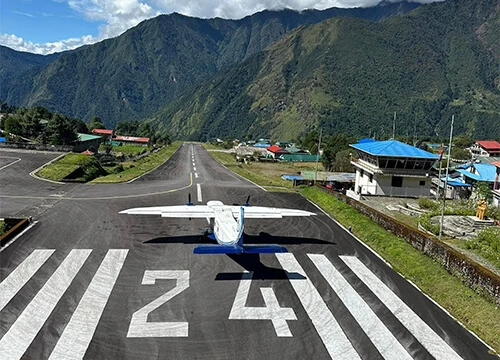
One of the biggest attractions of the Everest region is its incredible trekking trail. The journey is not only about reaching Everest Base Camp; it is about experiencing the changing landscapes, mountain scenery and traditional settlements along the way. Most classic Everest Base Camp itineraries begin with a scenic flight from Kathmandu to Lukla. After landing at Tenzing-Hillary Airport, trekkers start walking towards Phakding, following the beautiful Dudh Koshi River. The trail gradually passes through pine forests, suspension bridges decorated with colourful prayer flags, small settlements and traditional Sherpa villages. As the elevation increases, the scenery becomes more dramatic, with spectacular views of Thamserku, Kongde Ri, Ama Dablam, Lhotse and other Himalayan giants. The journey continues through Namche Bazaar, Tengboche, Pangboche, Dingboche and Lobuche before reaching Gorakshep and Everest Base Camp at 5,364 metres. One of the most memorable experiences is the early morning hike to Kala Patthar (5,545 metres), offering an incredible panoramic view of Mount Everest and the surrounding Himalayan peaks. Every section of the trail has its own character. From green forests and river valleys to open alpine landscapes, glaciers and towering snow-covered mountains, the Everest trail offers an unforgettable Himalayan experience, beautiful Sherpa Villages and Their Unique Culture
Khumjung and Sherpa villages
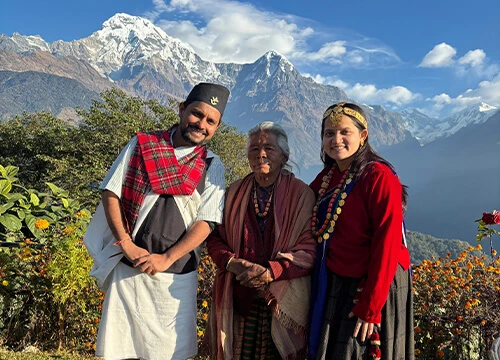
The cultural experience is another reason why the Everest region attracts travellers from across the world. The trekking trail passes through beautiful Sherpa settlements where traditional lifestyles, Buddhist beliefs and mountain hospitality remain an important part of everyday life. Walking through these villages gives visitors an opportunity to experience the local lifestyle beyond the mountain scenery. Colourful prayer flags, mani walls, Buddhist monasteries, traditional houses and friendly local people make the journey culturally rewarding. The warm hospitality of the Sherpa community is something many trekkers remember long after returning home.
Phakding: A peaceful riverside settlement surrounded by green hills and traditional mountain lodges. It is a popular first overnight stop after Lukla.
Namche Bazaar: The main trading and tourism centre of the Khumbu region, surrounded by spectacular mountain views.
Khumjung: A traditional Sherpa village beneath the sacred mountain Khumbila, known for its cultural heritage and Hillary School.
Tengboche: Famous for its historic Buddhist monastery and magnificent views of Ama Dablam, Everest and surrounding peaks.
Pangboche: One of the traditional Sherpa settlements in the upper Khumbu, offering a wonderful insight into mountain life and Buddhist traditions.
Dingboche: A beautiful high-altitude settlement surrounded by stone-walled fields and impressive mountain landscapes.
Namche Bazaar: The Iconic Gateway to Everest
Namche Bazar
No discussion about the Everest region is complete without mentioning Namche Bazaar, one of the most iconic mountain towns in Nepal. Situated at approximately 3,440 metres, Namche is built along a natural mountain slope in a beautiful amphitheatre-shaped valley. Colourful houses, hotels, restaurants, bakeries, trekking shops and traditional markets make this town one of the liveliest settlements in the Himalayas. Historically, Namche Bazaar was an important trading centre connecting the Sherpa communities with neighbouring regions, including Tibet. Today, it serves as a major gateway for trekkers, climbers and mountaineering expeditions heading towards Everest and other Himalayan peaks. Namche is also an important acclimatisation stop on the Everest Base Camp Trek. Trekkers usually spend an additional day here, exploring the surrounding viewpoints and nearby villages while allowing their bodies to adjust to the increasing altitude. Namche Bazaar is not simply a resting place along the trekking route. It is an experience in itself, bringing together mountain culture, adventure, local hospitality and the modern trekking lifestyle. Popular activities around Namche include:
- Visiting the Sherpa Culture Museum.
- Hiking towards Everest View Hotel for panoramic mountain views.
- Exploring the traditional villages of Khumjung and Khunde.
- Visiting the weekly Saturday market.
- Enjoying local bakeries, restaurants and mountain cafés.
- Observing the beautiful views of Kongde Ri, Thamserku and other Himalayan peaks.
A Connecting Land for Mountain Adventures
The Khumbu region is one of the most important destinations for Himalayan mountaineering and high-altitude adventure. It is not only the home of Mount Everest but also the starting point for numerous trekking routes, climbing expeditions and challenging mountain journeys. Namche Bazaar and the surrounding valleys connect several important trekking trails, allowing adventurers to explore different parts of the Everest region. Some of the most popular adventures include:
- Everest Base Camp Trek :The classic Himalayan adventure that takes trekkers to the foot of Mount Everest at 5,364 metres. It is the most recognised trekking journey in the region.
- Gokyo Lakes Trek: A beautiful alternative to the classic EBC route, taking trekkers towards the spectacular turquoise Gokyo Lakes and Gokyo Ri, with outstanding views of the surrounding mountains.
- Everest Three Passes Trek: A challenging circular adventure connecting Kongma La, Cho La and Renjo La passes. It combines Everest Base Camp, Gokyo Valley and some of the most dramatic landscapes in the Khumbu.
- Everest Base Camp via Gokyo and Cho La Pass: An exciting combination of the classic Everest Base Camp route and the beautiful Gokyo Valley, crossing the challenging Cho La Pass.
- Everest View Trek: A relatively shorter mountain adventure for travellers who want to experience Sherpa villages, Namche Bazaar, Tengboche and spectacular Everest views without completing the full base camp journey.
- Mera Peak and Island Peak Climbing: The Everest region and its neighbouring mountain valleys also attract climbers interested in high-altitude trekking peaks. Island Peak and Mera Peak are among Nepal's popular climbing destinations for adventure enthusiasts seeking a greater challenge.
Beyond these routes, the Khumbu is also a gateway to major mountaineering expeditions, including Mount Everest, Lhotse, Ama Dablam and other spectacular Himalayan peaks.This variety is one of the region's greatest strengths. Whether someone dreams of a comfortable mountain walk, a challenging high-altitude trek or a serious climbing expedition, the Everest region offers different levels of adventure.
Why Is the EBCTrek So Popular?
Among the many trekking and mountaineering adventures in the Khumbu, the Everest Base Camp Trek has earned worldwide recognition. Every year, thousands of international travellers visit Nepal with a dream of experiencing the world's highest mountain from close range. But why is the Everest Base Camp Trek so popular compared with other Himalayan adventures? There is no single answer. Its popularity comes from a unique combination of natural beauty, cultural experiences, mountaineering history, accessibility and the emotional satisfaction of reaching one of the world's most famous mountain destinations.
A Dream to See the Top of the World
For many people, Mount Everest represents the ultimate symbol of adventure, determination and achievement. Not everyone dreams of climbing to its summit, but millions dream of seeing the world's highest mountain with their own eyes. The EBCTrek makes this dream possible without requiring technical mountaineering skills. Standing at Everest Base Camp, surrounded by the Khumbu Glacier, ice formations and enormous Himalayan peaks, is an unforgettable experience. The nearby viewpoint of Kala Patthar offers an even more spectacular opportunity to admire Mount Everest, especially during sunrise when the first golden sunlight touches the mountain peaks. This dream of seeing the top of the world is perhaps the strongest reason behind the popularity of the Everest Base Camp Trek.
Spectacular Himalayan Mountain Scenery
The Everest region is home to some of the world's most impressive mountains. During the trek, visitors experience incredible views of Everest, Lhotse, Nuptse, Ama Dablam, Thamserku, Pumori and many other Himalayan giants. The landscape changes dramatically as the trail climbs higher. Green forests, rivers and suspension bridges gradually give way to alpine valleys, rocky terrain, glaciers and snow-covered mountains. The scenery is different every day, making the journey just as memorable as reaching the final destination.
An Unforgettable Sherpa Cultural Experience
The EBC Trek is also a cultural journey through the homeland of the Sherpa community. Trekkers experience traditional villages, Buddhist monasteries, colourful prayer flags, mani walls and the warm hospitality of local mountain families. Visiting Tengboche Monastery, exploring Namche Bazaar and meeting local people along the trail provide a deeper understanding of the culture and traditions of the Khumbu.
A Legendary Mountaineering History
Everest has inspired explorers, climbers and adventure enthusiasts for generations. Following the historic route associated with the early Everest expeditions gives the journey a special meaning. The legacy of Tenzing Norgay Sherpa and Sir Edmund Hillary remains an important part of the region's identity. For many visitors, reaching Everest Base Camp is a way to connect with this remarkable mountaineering history.
A Beautiful and Well-Established Trekking Route
Compared with many remote Himalayan trails, the Everest Base Camp route has a well-developed trekking network. The trail passes through established villages, suspension bridges, mountain lodges and popular overnight stops. The route is well known among local trekking guides and has welcomed international visitors for decades. This makes it easier to organise the journey with proper planning and professional support.
Comfortable Tea House Accommodation and Food
Another major reason for the popularity of the EBC Trek is the availability of tea house accommodation. Unlike remote camping-based expeditions, trekkers can stay in mountain lodges throughout the classic route. Most tea houses offer basic private or twin-sharing rooms, dining areas and warm meals. The food menu generally includes traditional Nepali dal bhat, noodles, soups, fried rice, potatoes, pasta, eggs, pancakes and other familiar meals. Facilities become more basic at higher elevations, and hot showers, Wi-Fi, charging and private bathrooms may cost extra or have limited availability. Nevertheless, the tea house system makes the Everest Base Camp journey more accessible to ordinary adventure travellers who want to experience the high Himalayas without carrying camping equipment.
An Accessible Gateway from Kathmandu
The journey to the Everest region usually begins with a scenic mountain flight from Kathmandu to Lukla, which takes approximately 30–35 minutes when operating directly. Lukla provides access to the main trekking trail, saving travellers from several additional days of walking from lower Solukhumbu. The established trekking infrastructure, local guides, accommodation network and transportation arrangements make it possible for international travellers to plan their Everest adventure through a professional trekking company. However, Lukla flights are weather-dependent and delays or cancellations can occur, so allowing additional travel time is always recommended.
A Personal Achievement and Lifetime Memory
Reaching Everest Base Camp is more than completing a trekking itinerary. It is a personal achievement that requires preparation, patience and determination. Walking several hours every day, gradually gaining altitude and adapting to the mountain environment creates a meaningful physical and mental challenge. When trekkers finally reach the famous base camp at 5,364 metres, the feeling of accomplishment is difficult to describe.
Everest Basecamp and Icefall
The Everest region is also home to Sagarmatha National Park, one of Nepal's most remarkable protected natural areas. Established in 1976 and recognised as a UNESCO World Heritage Site in 1979, the national park protects an extraordinary Himalayan landscape of glaciers, deep valleys, forests and high mountain ecosystems. One of its most impressive natural features is the Khumbu Icefall, a massive and constantly moving ice formation located between Everest Base Camp and Camp I. During the EBCTrek, trekkers have a wonderful opportunity to see this spectacular icefall from a distance, along with enormous glaciers and towering ice formations. The park is also home to rare wildlife, including snow leopards, red pandas, musk deer and Himalayan tahr. Its vegetation ranges from pine, Fir and rhododendron forests to alpine plants and high-altitude landscapes, making the journey an unforgettable experience for both adventure seekers and nature lovers.
The best seasons for trekking in the Khumbu Region.
Spring (March to May): Spring is one of the most popular times to visit the Everest region. The weather generally becomes warmer, mountain views can be excellent on clear days, and lower-altitude forests display beautiful seasonal flowers. April and May are also important months for Everest climbing expeditions. Autumn (September to November): Autumn offers some of the finest trekking conditions in Nepal. Following the monsoon, the skies often become clearer, the mountain views are spectacular and daytime temperatures are generally comfortable for walking. October and November are especially popular months for the Everest Base Camp Trek. Winter trekking is also possible for well-prepared travellers, although temperatures can be extremely cold and snowfall may affect high passes and flights. The summer monsoon generally brings more clouds, rain and flight disruptions.
Is the Everest Base Camp Trek Suitable for Everyone?
The Everest Base Camp Trek is suitable for adventure enthusiasts with good preparation and a reasonable level of fitness. You do not need technical climbing experience, but you should be prepared for several hours of walking each day at increasing elevations. The highest overnight settlements are above 5,000 metres, and Kala Patthar reaches 5,545 metres. Altitude sickness is a serious consideration, even for physically fit trekkers. A properly planned itinerary should include sufficient acclimatisation days, a gradual ascent and an experienced trekking guide. Trekkers should never ignore symptoms of altitude sickness or continue ascending when unwell. With suitable preparation, professional guidance and enough time, this journey can be an incredible experience for both first-time high-altitude trekkers and experienced mountain adventurers.
Conclusion
The Khumbu region is undoubtedly one of the world's most extraordinary mountain destinations. Its beauty is not limited to Mount Everest. It is a combination of magnificent Himalayan landscapes, traditional Sherpa villages, ancient Buddhist culture, welcoming tea houses and some of the most legendary adventure trails on Earth. From the historic streets of Namche Bazaar to the peaceful surroundings of Tengboche, from the beautiful Gokyo Valley to the spectacular Khumbu Glacier, every corner of this region offers a different experience. The Everest Base Camp Trek has become so popular because it brings all these experiences together in one remarkable journey. It allows travellers to follow the historic paths of mountaineers, discover the lifestyle of the Sherpa people, enjoy breathtaking mountain scenery and finally stand at the foot of the world's highest mountain. For some, it is a childhood dream. For others, it is a personal challenge or a once-in-a-lifetime adventure. Whatever the motivation, the experience of walking through the heart of the Himalayas stays with you long after the journey ends.
Upendra Dawadi
Call us on WhatsApp+977 9851328431OrChat with us