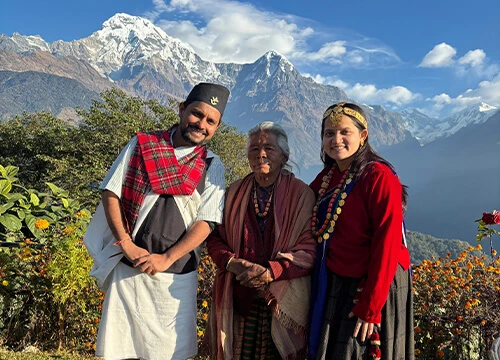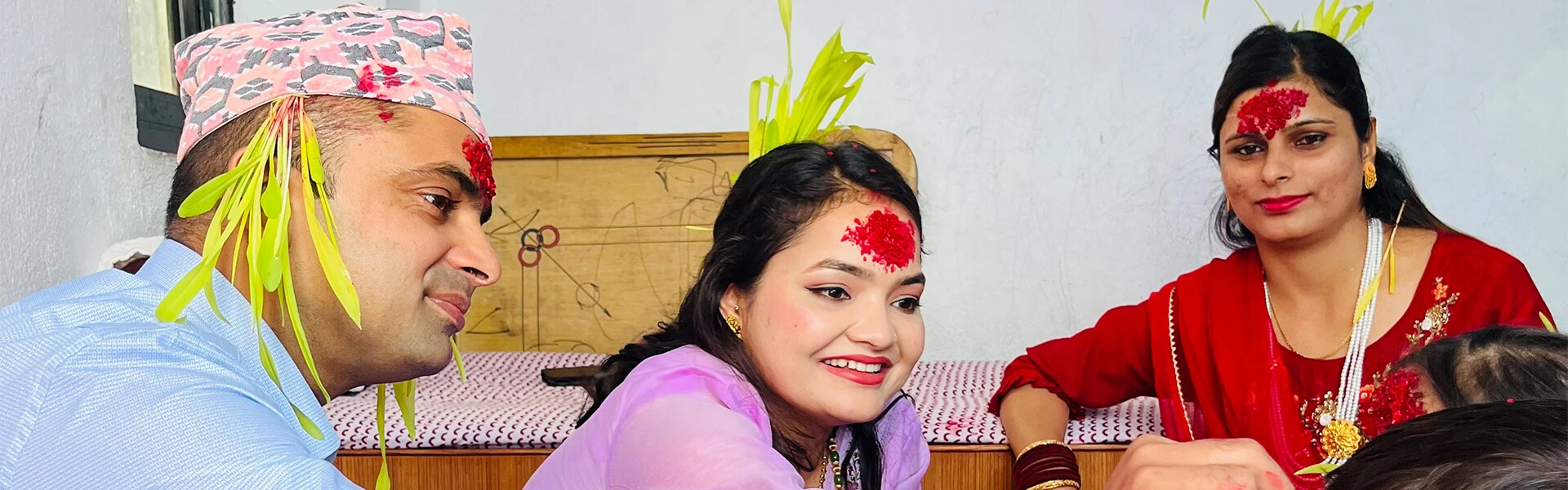
Nepal is a land of diverse cultures, ancient traditions and extraordinary celebrations. Among its many festivals, Dashain and Tihar stand out as the two biggest and most widely celebrated festivals in the country, bringing communities together during the beautiful autumn season. Rooted mainly in Hindu traditions, these festivals celebrate the victory of good over evil, prosperity, family bonds and the spirit of togetherness. Although Hinduism plays a central role in their religious significance, their joyful atmosphere extends beyond religious boundaries. People from different religions, ethnicities and cultural backgrounds share greetings, participate in celebrations and respect one another's traditions, reflecting Nepal's beautiful spirit of religious tolerance and cultural harmony. Celebrated over several weeks, these festive occasions transform the country into a lively atmosphere of family reunions, traditional rituals, colourful decorations, delicious food, music and happiness. For international visitors, experiencing Dashain and Tihar offers a wonderful opportunity to discover the real Nepal beyond its mountains, exploring the warmth, traditions and hospitality of its people.
Dashain and Tihar: Nepal's Biggest Festivals and Autumn Celebrations
Table of Contents
Nepal's Biggest Festivals, Culture, Traditions and Celebrations
Nepal is a country of extraordinary natural beauty, ancient traditions and cultural diversity. While the Himalayas attract thousands of travellers for trekking and adventure every year, Nepal has another beautiful side that visitors should not miss: its festivals and celebrations. Among the many festivals celebrated throughout the country, Dashain and Tihar are two of the biggest and most important festivals in Nepal. Both take place during the autumn season, one of the best times to visit Nepal for trekking, sightseeing and cultural experiences. Dashain is a major Hindu festival celebrating the victory of good over evil, while Tihar is widely known as the festival of lights, love and prosperity. Although both festivals have strong Hindu religious roots, their celebrations reach beyond religious boundaries. People from different religious and cultural backgrounds participate in the festive atmosphere, share happiness and respect one another's traditions. For Nepali people, these festivals are much more than religious occasions. They are a time for family reunions, blessings, traditional food, music, decorations and unforgettable memories. If you visit Nepal during this period, you will experience a country full of colour, happiness and warm hospitality.
Why Are Dashain and Tihar the Biggest Festivals in Nepal?
Nepal celebrates hundreds of festivals throughout the year, reflecting its rich cultural and religious diversity. However, Dashain and Tihar hold a special place in the hearts of Nepali people. Dashain is generally celebrated for fifteen days, beginning with Ghatasthapana and ending with Kojagrat Purnima. It is a time when families come together, elders give blessings to younger generations, and people return to their hometowns and villages to celebrate with loved ones. Soon after Dashain, Tihar brings another wave of happiness across the country. Celebrated over five main days, Tihar is famous for colourful decorations, oil lamps, flowers, traditional songs and the worship of animals. Although these festivals are rooted in Hindu traditions, Nepal's celebrations reflect a wider spirit of cultural coexistence. People from different communities often exchange greetings, enjoy festive foods and join the celebrations. The level of participation and the traditions followed may differ between communities and families, but mutual respect and togetherness are an important part of Nepalese society.
Dashain: The Greatest Festival of Nepal
Dashain, also known as Bijaya Dashami, is considered the biggest and longest festival in Nepal. It usually falls in September or October, according to the Nepali lunar calendar. The festival is dedicated mainly to Goddess Durga and celebrates her victory over the demon Mahishasura. It represents the triumph of good over evil, truth over falsehood and positive energy over negativity. During Dashain, the entire country takes on a festive atmosphere. Schools, colleges and many offices close for holidays, while families travel to their hometowns to reunite with parents, grandparents, relatives and friends. Homes are cleaned and decorated, new clothes are purchased, traditional foods are prepared and children enjoy playing on traditional bamboo swings known as Ping. For many Nepali people, receiving Tika and blessings from elders is one of the most meaningful moments of the year.
Religious and Cultural Significance of Dashain
The religious significance of Dashain is closely connected with Goddess Durga, who represents strength, courage and the power of good over evil. According to Hindu mythology, Goddess Durga defeated Mahishasura after a long battle, restoring peace and protecting the world from evil forces. The victory is celebrated on the tenth day, known as Vijaya Dashami. Dashain also has a strong cultural and family significance. It is a special occasion for people to reconnect with their families, seek blessings from elders and maintain relationships. Nepal is home to people belonging to different religions, ethnic groups and cultural backgrounds. Although Dashain is primarily a Hindu festival, its festive spirit is experienced across many parts of the country. This reflects Nepal's long-standing tradition of religious tolerance, cultural respect and peaceful coexistence.
Important Days During Dashain
Dashain is celebrated over fifteen days, with several important religious and cultural occasions throughout the festival.
Ghatasthapana – The First Day
Ghatasthapana marks the beginning of Dashain. On this day, families establish a sacred pot or vessel known as a Ghat and sow barley seeds in a specially prepared place. The young yellow shoots that grow from these seeds are called Jamara. The Jamara is carefully protected from sunlight and is later used during the Vijaya Dashami Tika ceremony.
Phulpati – The Seventh Day
Phulpati is an important day of Dashain, traditionally marked by bringing sacred flowers, leaves and other auspicious items into homes. In Kathmandu, a traditional state ceremony is also held, reflecting the historical and cultural importance of the festival. Families begin preparing for the main Dashain celebrations.
Maha Ashtami – The Eighth Day
Maha Ashtami is dedicated to Goddess Durga. Devotees visit temples, perform religious rituals and offer prayers for protection, strength and prosperity. In some Hindu traditions, animal sacrifices are also performed as part of the rituals, while other families observe the day through prayers and vegetarian offerings.
Maha Navami – The Ninth Day
Maha Navami is another important day dedicated to Goddess Durga. Temples and shrines receive devotees throughout the day. In some traditions, people worship tools, vehicles, machinery and other equipment, seeking protection and success in their work. The day is also associated with the worship of Vishwakarma, the divine architect and craftsman.
Vijaya Dashami – The Tenth Day
Vijaya Dashami is the main day of Dashain and one of the most meaningful occasions for Nepali families. On this day, elders apply red Tika made from rice, yoghurt and vermilion, together with Jamara, on the foreheads of younger family members. They offer blessings for good health, happiness, prosperity and a successful life. Families visit their parents, grandparents and relatives to receive Tika and blessings. Many people travel long distances to celebrate this special occasion together.
Kojagrat Purnima – The Fifteenth Day
Kojagrat Purnima marks the final day of the traditional fifteen-day Dashain celebration. It is associated with Goddess Laxmi, the goddess of wealth and prosperity. Traditionally, people stay awake during the night and offer prayers for happiness, good fortune and prosperity.
How Do Nepali People Celebrate Dashain?
Dashain is not only about religious ceremonies; it is also about family, happiness and togetherness.
- Family reunions: People travel from cities and abroad to spend time with their families in their hometowns and villages.
- Tika and Jamara: Younger family members receive blessings from their elders.
- Traditional bamboo swings: Large bamboo swings, known as Ping, are built in villages and communities for people to enjoy.
- New clothes and shopping: Markets become busy as families prepare for the festival.
- Traditional food: Families prepare delicious meals, sweets and special dishes to share with relatives and guests.
- Kite flying: Children and adults enjoy flying colourful kites, particularly in the days leading up to Vijaya Dashami.
The most beautiful part of Dashain is the happiness of being together. It is a time when people put aside their busy routines and celebrate life with their loved ones.
Tihar: The Festival of Lights
Tihar is the second major festival celebrated during Nepal's autumn season, usually shortly after Dashain. It is also known as Deepawali or Yamapanchak and is celebrated over five main days. Unlike Dashain, which focuses mainly on Goddess Durga and family blessings, Tihar celebrates the relationship between humans, animals, nature and prosperity. During Tihar, houses, temples, streets and neighbourhoods are decorated with colourful lights, oil lamps, candles and beautiful flower garlands. Marigold and Makhamali flowers are widely used to decorate homes and create traditional designs at entrances. At night, the whole country becomes bright and colourful. People gather with family and friends, sing traditional Deusi and Bhailo songs, exchange greetings and enjoy festive food. For visitors, Tihar is one of the most beautiful times to experience Nepal's traditional culture and hospitality.
Religious and Cultural Significance of Tihar
Tihar has deep religious and cultural significance in Nepal. The festival is associated with Goddess Laxmi, who represents wealth, prosperity and happiness. It also highlights the importance of animals in human life. During different days of Tihar, crows, dogs and cows are honoured with food, flowers and traditional rituals. One of the most beautiful aspects of Tihar is the celebration of the relationship between brothers and sisters. On Bhai Tika, sisters apply colourful Tika to their brothers and pray for their long lives, happiness and prosperity. Tihar also reflects Nepal's cultural diversity. Although the festival is rooted in Hindu traditions, its lights, music, food and social celebrations create a joyful atmosphere enjoyed by people from different backgrounds.
Five Important Days During Tihar
Tihar is celebrated over five main days, and each day has its own religious meaning and traditional activities.
Kaag Tihar – Worshipping Crows
The first day of Tihar is known as Kaag Tihar. Crows are worshipped and offered food as they are traditionally regarded as messengers of Yama, the god of death. People place food outside their homes for crows, believing that this ritual brings good fortune and helps keep away misfortune.
Kukur Tihar – Celebrating Dogs
Kukur Tihar is one of the most recognised and heartwarming days of the festival. Dogs are honoured for their loyalty, friendship and protection. They are decorated with flower garlands, receive Tika on their foreheads and are offered delicious food. This tradition reflects the close relationship between people and animals in Nepalese culture.
Gai Tihar and Laxmi Puja
The third day is among the most important days of Tihar. In the morning, cows are worshipped as sacred animals associated with prosperity and abundance. In the evening, families perform Laxmi Puja, welcoming Goddess Laxmi into their homes. People clean their houses, decorate entrances with colourful Rangoli designs and light traditional oil lamps called Diyos. Many homes and businesses also use electric lights to create beautiful decorations.
Govardhan Puja and Mha Puja
The fourth day is observed in different ways by different communities. Many Hindu families celebrate Govardhan Puja, worshipping the sacred Govardhan Hill and honouring the relationship between nature, agriculture and human life. Some communities also observe Goru Tihar, honouring oxen for their contribution to farming. In the Newar community of Nepal, this day is especially important for Mha Puja, a unique ritual of worshipping and honouring one's own body and soul. It also marks the beginning of the Nepal Sambat New Year.
Bhai Tika – Celebrating the Bond Between Brothers and Sisters
Bhai Tika is the fifth and final day of Tihar. On this special day, sisters apply colourful seven-colour Tika to their brothers' foreheads and offer flower garlands, sweets and traditional foods. They pray for their brothers' long lives, good health and prosperity. Brothers also offer gifts and blessings to their sisters as a symbol of love and appreciation. Bhai Tika is one of the most emotional and beautiful family celebrations in Nepal, highlighting the importance of love, respect and lifelong relationships.
Traditional Foods, Music and Decorations During the Festivals
Food, music and decorations are an essential part of Dashain and Tihar. During Dashain, families prepare traditional Nepali dishes such as Dal Bhat, meat curries, sel roti, homemade pickles and various sweets. Relatives and guests are welcomed with generous meals and warm hospitality. During Tihar, Sel Roti becomes especially popular. This traditional Nepali ring-shaped rice bread is prepared in many homes and shared with family, neighbours and friends. Other festive foods and sweets are also prepared. Traditional Deusi and Bhailo songs are among the most enjoyable parts of Tihar. Groups of people, especially young people, visit neighbourhoods singing traditional songs, dancing and exchanging blessings and good wishes. Beautiful flower garlands, Rangoli designs, oil lamps and colourful lights transform homes and streets into festive spaces. These traditions give visitors a wonderful opportunity to experience the artistic and cultural beauty of Nepal.
Why Visit Nepal During Dashain and Tihar?
Autumn is one of the best seasons to visit Nepal, especially for travellers interested in trekking, mountain adventures and cultural experiences. The weather is generally pleasant, the skies are often clear, and the Himalayan mountain views are spectacular. Popular trekking destinations such as Everest Base Camp, Annapurna Base Camp, Manaslu Circuit, Langtang Valley and Ghorepani Poon Hill attract travellers from around the world. Visiting during Dashain and Tihar offers something beyond the usual trekking experience. You can explore local villages, observe traditional celebrations, enjoy authentic Nepali food and see how families come together during these special occasions.
Some cultural experiences worth enjoying include:
- Exploring the historic streets and temples of Kathmandu Valley.
- Visiting traditional Newar settlements and local markets.
- Experiencing festive decorations and celebrations in local neighbourhoods.
- Enjoying traditional Nepali food and hospitality.
- Learning about local customs, rituals and religious traditions.
- Combining a cultural tour with a Himalayan trekking adventure.
These festivals allow visitors to understand Nepal not only as a destination of mountains and adventure but also as a country of deep-rooted traditions and cultural harmony. September to November is generally considered one of the best periods for trekking in Nepal. The monsoon gradually comes to an end, the landscapes become greener, and the weather usually becomes more favourable for mountain adventures. Dashain and Tihar generally fall within this autumn travel season, although their exact dates change every year according to the lunar calendar.
Travellers planning their Nepal holiday during these festivals should consider a few things:
- Book early: Domestic flights, tourist hotels and transport can become busy during major festival holidays.
- Plan around local holidays: Some shops, offices, restaurants and services may close or operate on limited schedules, especially during the main Dashain and Tihar days.
- Allow extra travel time: Many Nepali people travel to their hometowns, so public transport can become crowded.
- Respect local traditions: Ask permission before photographing religious ceremonies or people participating in rituals.
- Combine culture and adventure: Plan a Kathmandu cultural tour before or after your trek to enjoy both experiences.
Although festival dates can affect some travel arrangements, trekking remains a wonderful experience during the autumn season. With proper planning and local guidance, visitors can enjoy both Nepal's Himalayan landscapes and its unique cultural celebrations.
Conclusion
Nepal is much more than the home of the Himalayas and Mount Everest. It is a country where traditions, cultures, religions and communities come together to celebrate life. Dashain and Tihar represent some of the most beautiful aspects of Nepalese society: family relationships, respect for elders, kindness towards animals, religious devotion, cultural traditions and the spirit of togetherness. Although these festivals have different religious meanings and customs, their celebrations reflect a wider message of happiness, respect and harmony among people. At Iconic Holiday Nepal, we believe that travelling is not only about visiting beautiful destinations; it is also about understanding local people, experiencing their traditions and creating meaningful memories. If you are planning to visit Nepal during the autumn season, consider experiencing Dashain and Tihar alongside your Himalayan trekking or cultural holiday. Discover the mountains, explore traditional villages, meet local communities and experience the warm hospitality that makes Nepal truly special. Come and experience Nepal – a land of Himalayan adventures, beautiful cultures and unforgettable celebrations.