The August 2026 flood has been a serious and painful event for affected communities, and our thoughts are with everyone who has lost loved ones, homes or livelihoods. At the same time, it is important to distinguish between one affected area and the country as a whole. Nepal's major trekking destinations continue to offer extraordinary Himalayan landscapes, welcoming communities and unforgettable adventures. If you are planning to trek in Nepal this season, stay informed, travel responsibly and choose a professional local trekking company that monitors conditions on the ground. Nepal remains open for trekking, and Iconic Holiday Nepal is ready to help you plan your journey safely and responsibly.
Is Nepal is safe for trekking after 26th, 2026 August flood
Table of Contents
The recent flash flood in Rasuwa district on August 26, 2026 has understandably raised concerns among travelers planning to visit Nepal. We have received questions from trekkers about whether Nepal is still safe, whether trekking routes are open, and whether upcoming trips should be postponed or cancelled. We completely understand these concerns. When a natural disaster receives international media coverage, it can be difficult to know which areas have actually been affected and whether the situation applies to the whole country.
Understanding the Cause and Impact
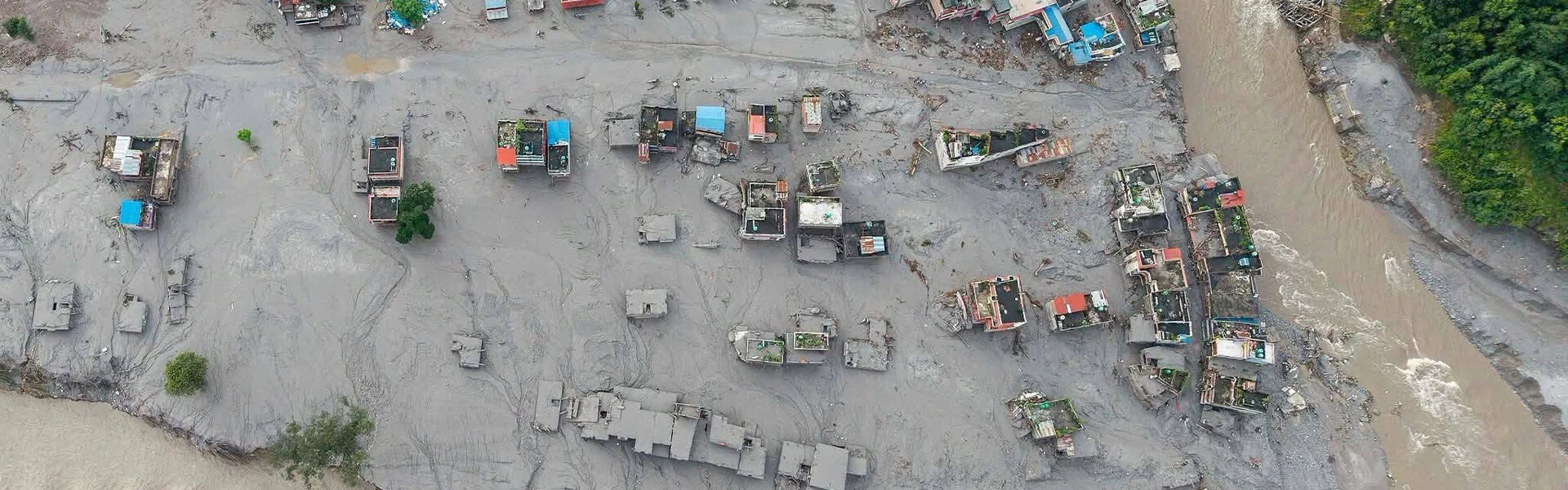
The catastrophic flooding that struck northern Nepal last week was not simply the result of heavy rainfall. Initial assessments indicate that the disaster may have been triggered by a complex chain of high-mountain hazards involving glacier collapse, landslides and sudden water release. Parts of a glacier near Langtang Lirung may have collapsed toward the valley, potentially triggering a landslide and sending a powerful surge of water, rock and ice downstream into the river system. In the high Himalayas, such events can happen suddenly and with very little warning. This occurs when water from melting glaciers accumulates behind a natural barrier such as ice, rock or other debris. When the pressure becomes too great, the barrier can weaken, fail or overflow, releasing a large amount of water downstream within a short period. In mountainous terrain, a landslide or avalanche occurring at the same time can make such an event even more destructive. The affected river system includes the Lhende Khola and Bhote Koshi, which flow through steep and narrow Himalayan valleys before continuing into Nepal. These deep mountain gorges can amplify the speed and destructive force of sudden floods, carrying enormous amounts of water, mud, rocks and debris downstream. This is why a disaster that begins high in the mountains can have serious consequences for communities located far below. The August 2026 disaster has caused heartbreaking destruction. Villages have been affected, roads and bridges have been washed away, communication networks have been disrupted and important infrastructure has suffered severe damage. Health facilities and other essential services have also been affected, while thousands of people have been displaced from their homes. For families living in the affected areas, the consequences will continue long after the floodwaters have disappeared.
Yes, Nepal Is Still Open for Trekking
The August 2026 flood was a localized disaster concentrated around the Rasuwa and Nepal–Tibet border area, particularly along the affected river and road corridors.It does not mean that trekking throughout Nepal has been affected. Major trekking destinations including Everest, Annapurna, Manaslu, Kanchenjunga and Makalu remain accessible, with trekking activities continuing according to local conditions and normal safety procedures. The situation in the Langtang and northern Rasuwa area requires more attention, particularly regarding road access and conditions around Syabrubesi and other affected settlements. Travelers heading toward this region should obtain the latest local information before departure. we continue to monitor trail, road, weather and local conditions closely so that we can provide our guests with the most appropriate advice for their individual itinerary.
Why Are So Many Travelers Confused About Nepal Trekking?
The biggest problem right now is the difference between “Nepal has experienced a devastating flood” and “Nepal is completely flooded and all trekking routes are closed.” These are two very different statements. International news naturally focuses on the areas where the disaster caused the greatest damage, and those images are important because the affected communities deserve attention and support. However, a news report about flooding in Rasuwa should not automatically be interpreted as a report about the Everest Base Camp trail, Annapurna Base Camp trail, Manaslu Circuit or trekking regions in eastern Nepal. Nepal is a large country, and its trekking destinations are spread across different geographical areas.
What Does This Mean for Your Nepal Trek?
If you are planning to visit Nepal for an Everest Base Camp Trek, Annapurna Base Camp Trek, Annapurna Circuit, Manaslu Circuit, Kanchenjunga or Makalu, there is no reason to assume that your trekking holiday has automatically been cancelled because of the August 2026 Rasuwa flood. These regions are separate from the main flood-affected corridor. However, responsible travel means checking the latest information before departure, because weather, road conditions, flights and mountain trails can change quickly. If your itinerary includes Langtang, Gosaikunda, Tamang Heritage or another area in northern Rasuwa, you should speak directly with your trekking company and confirm the latest access conditions before travelling.
Should You Cancel Your Nepal Trek?
Our advice is simple: do not cancel your Nepal trekking trip simply because you saw news about the August 2026 flood. Instead, look at your specific destination and obtain the latest local information. If you are travelling to Everest, Annapurna, Manaslu, Kanchenjunga or Makalu, the Rasuwa flood should not be treated as a nationwide trekking closure. If you are travelling to Langtang or northern Rasuwa, ask your trekking company for an updated assessment before departure. This is the responsible way to travel after any natural disaster: understand the affected area, check the current conditions and make decisions based on verified information.
Trek Nepal With Confidence, But Trek Responsibly
Nepal remains one of the world's greatest destinations for Himalayan trekking, and the mountains continue to welcome travelers. Everest Base Camp, Annapurna Base Camp, Annapurna Circuit, Manaslu Circuit, Kanchenjunga and Makalu remain among the country's most remarkable trekking experiences. The August 2026 flood has caused tremendous hardship in specific areas, but it does not define the condition of the entire country. Nepal is much bigger than one flood corridor, and its trekking regions are much more diverse than a single news headline can explain. Before travelling, obtain current information, use a registered trekking agency, follow your guide's advice and remain flexible with your itinerary. Nepal Tourism Board itself advises trekkers to obtain the appropriate TIMS information, use designated routes and trek with proper safety arrangements, while the Ministry of Culture, Tourism and Civil Aviation advises visitors to use government-registered travel and trekking agencies.
Frequently Asked Questions
Is Nepal safe for trekking after the August 2026 flood?
Yes, many major trekking regions remain open and operational. The August 26 disaster was concentrated in particular areas of the Rasuwa and Bhote Koshi–Trishuli corridor and did not affect every trekking destination in Nepal. Current local and weather conditions should always be checked before departure.
Is Everest Base Camp Trek affected by the August 2026 flood?
The Rasuwa flood did not occur on the Everest Base Camp trail. The Everest region is geographically separate from the affected corridor, although normal mountain weather and flight conditions should still be monitored.
Is Annapurna Base Camp Trek safe after the Nepal flood?
The Annapurna region is geographically separate from the Rasuwa flood area and remains a major trekking destination. Travelers should check current weather, road and trail conditions before starting their trek.
Is Manaslu Circuit Trek open after the flood?
The Manaslu region is separate from the main Rasuwa flood corridor and continues to be a trekking destination, subject to current local access and weather conditions.
Is Langtang safe after the August 2026 flood?
At present, we do not recommend trekking in the Langtang region until further reliable updates are available from the concerned tourism authorities and organizations. Although the main trekking trails in some areas may remain in good condition, the major concern is the road access to Syabrubesi, the usual gateway for several popular treks in the region. Following the August 2026 flood, many sections of the access road toward Syabrubesi have been affected, with road collapses and damage reported in several places. This may create difficulties and safety concerns for transportation and access to the trekking starting points. Therefore, for the time being, we do not recommend planning the Langtang Valley Trek, Tamang Heritage Trek or Gosaikunda Trek until more reliable information and updated guidance are available. We are closely monitoring the situation and recommend waiting for further updates from the relevant authorities and tourism organizations, including the Nepal Tourism Board (NTB), Trekking Agencies' Association of Nepal (TAAN), Ministry of Culture, Tourism and Civil Aviation, and other concerned local authorities. At Iconic Holiday Nepal, the safety of our guests is always our highest priority. We will provide updated information as soon as reliable authorities confirm improved road access and suitable conditions for trekking in the Langtang region.
Is Kathmandu affected by the flood?
Kathmandu was outside the main Rasuwa flood corridor and continues to function as Nepal's principal tourism and international gateway.
Has Nepal Tourism Board declared Nepal safe for trekking?
Nepal Tourism Board continues to provide official trekking information, safety guidance and updates, while government agencies and tourism organizations including the Department of Tourism, TAAN and other stakeholders have been coordinating the response to the August 2026 flood. Travelers should still assess their specific route rather than treating “Nepal is safe” as meaning that every individual road or trail is unaffected.
Final Message
The August 2026 flood has been a devastating tragedy for Nepal, causing immense loss and leaving a deep sense of shock and sorrow among affected communities and people around the world. Our heartfelt thoughts are with everyone who has lost loved ones, homes, livelihoods and property. At the same time, it is important not to view this tragedy as a reflection of the situation across the entire country. Apart from the Langtang region, where access roads toward Syabrubesi have been significantly affected and trekking is currently not recommended, the other major trekking regions of Nepal remain safe and open for trekking according to the latest information available from Nepal’s authorized tourism bodies. The Nepal Tourism Board (NTB), Trekking Agencies’ Association of Nepal (TAAN), Ministry of Culture, Tourism and Civil Aviation, and other concerned tourism authorities are continuously monitoring the situation and providing updates regarding affected areas and tourism activities. Travelers should therefore rely on these official updates and experienced local trekking operators rather than general reports that may give the impression that the entire country has been affected. If you have already planned your Nepal trekking or holiday for 2026, there is no need to change your plans simply because of the recent flood. Except for destinations that are specifically affected or temporarily not recommended, travelers can continue with their plans and enjoy Nepal’s renowned trekking regions, Himalayan landscapes, cultural heritage and warm hospitality with confidence.
Upendra Dawadi
Call us on WhatsApp+977 9851328431OrChat with us
.webp)