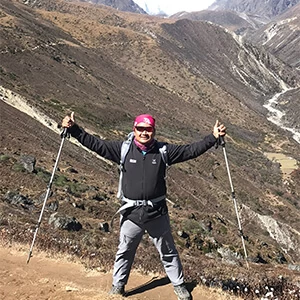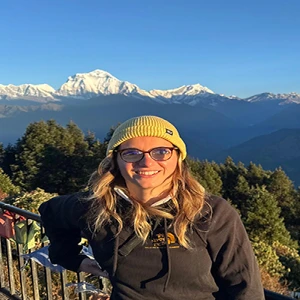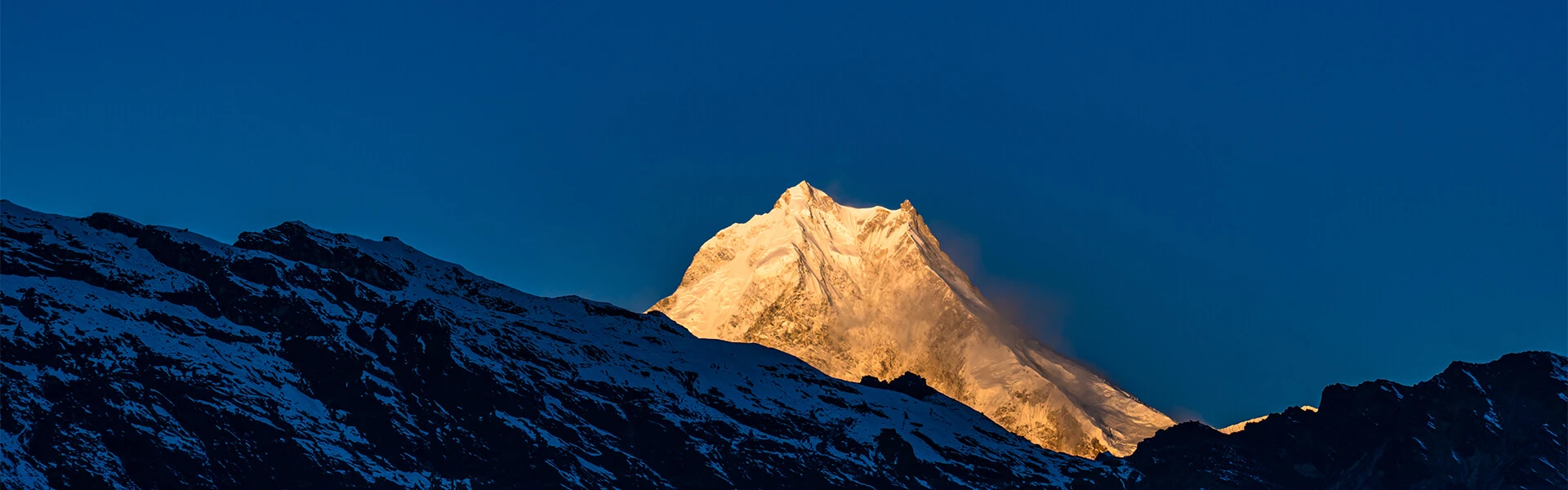
Nepal's restricted trekking regions are more than just mountain trails—they are living landscapes filled with ancient cultures, warm local communities, and breathtaking Himalayan scenery. Protecting these places will always be essential, and the government's commitment to conservation and visitor safety deserves recognition. With the introduction of solo trekking in restricted areas and the day-wise permit system for Upper Mustang, Nepal has taken a positive step toward making adventure travel more flexible and welcoming. These changes make it easier for travelers to experience some of the country's most remarkable destinations while continuing to support local guides, tea houses, homestays, and mountain communities. As more people around the world seek meaningful and authentic travel experiences, Nepal is well positioned to remain one of the world's finest trekking destinations. By combining responsible tourism with modern policies, the country can protect its natural and cultural heritage while inspiring a new generation of adventurers to discover the hidden beauty of the Himalayas.
Should Solo Trekkers Access Restricted Areas in Nepal?
Table of Contents
Solo Trekkers in Restricted Areas Trekking
Nepal has long been celebrated as one of the world's premier trekking destinations, attracting thousands of adventurers each year with its towering Himalayan peaks, rich cultural heritage, and breathtaking landscapes. While iconic routes such as the Everest Base Camp Trek, Annapurna Base Camp Trek, Annapurna Circuit Trek, and Langtang Valley Trek have long been open to independent travelers, several of Nepal's most extraordinary trekking regions—including Upper Mustang, Upper Dolpo, Manaslu, Nar Phu Valley, Kanchenjunga, and Tsum Valley—have traditionally required special permits and licensed trekking guides due to their ecological, cultural, and geographical significance. In a landmark move for Nepal's adventure tourism industry, the Department of Immigration (DoI) announced a revised trekking policy on March 23, 2026, officially allowing solo foreign trekkers to obtain Restricted Area Permits (RAPs). Under the new regulation, solo travelers can now explore Nepal's restricted trekking regions through a registered trekking agency while being accompanied by a government-licensed trekking guide. This progressive policy modernizes Nepal's trekking regulations, making remote Himalayan destinations more accessible while continuing to prioritize visitor safety, cultural preservation, and sustainable tourism.
The Rise of Solo Adventure Travel
Solo travel has become one of the fastest-growing trends in global tourism, with modern travelers seeking greater freedom, flexibility, and authentic experiences. Many experienced trekkers prefer to explore destinations independently while benefiting from the knowledge and safety of a professional local guide. Advances in digital booking systems, GPS technology, satellite communication, and comprehensive travel insurance have made solo adventure travel safer and more accessible than ever before. Recognizing this global shift, Nepal has revised its trekking policies to welcome more independent adventure seekers. The 2026 Restricted Area Permit (RAP) policy allows solo foreign trekkers to visit Nepal's restricted trekking regions through registered trekking agencies while being accompanied by a government-licensed guide. By adapting to changing travel trends, Nepal aims to attract more responsible solo travelers, strengthen sustainable tourism, support local communities, and reinforce its position as one of the world's leading adventure tourism destinations.
Can Solo Trekkers Visit Nepal's Restricted Areas?
Yes. Under Nepal's revised 2026 Restricted Area Permit (RAP) policy, solo foreign trekkers are now officially permitted to explore the country's restricted trekking regions. This marks a significant milestone for Nepal's adventure tourism industry, opening some of the Himalayas' most remote and culturally rich destinations to independent travelers. Although solo trekking is now allowed, trekkers must still arrange their permits through a registered trekking agency and be accompanied by a government-licensed trekking guide throughout the journey. The trekking agency is responsible for obtaining the Restricted Area Permit, coordinating logistics, and ensuring safety and emergency support. This updated approach strikes a balance between providing greater freedom for solo adventurers and maintaining responsible tourism, visitor safety, and the protection of Nepal's fragile mountain environments and unique cultural heritage.
Why Upper Mustang Deserves Special Attention
Among Nepal's restricted destinations, Upper Mustang stands apart as one of the country's most culturally significant and visually spectacular trekking regions. Often referred to as the Last Forbidden Kingdom, Upper Mustang remained closed to foreign visitors until 1992, allowing its Tibetan Buddhist culture, medieval villages, and ancient monasteries to remain remarkably well preserved. The dramatic desert-like landscapes, colorful cliffs, centuries-old cave dwellings, and the historic walled city of Lo Manthang create an experience unlike anywhere else in the Himalayas. Unlike many high-altitude trekking routes, Upper Mustang also lies within the Himalayan rain shadow, making it an excellent destination even during Nepal's summer monsoon season. These unique qualities have made the region increasingly popular among photographers, cultural travelers, mountain bikers, and trekkers seeking an alternative to more crowded Himalayan trails.
Upper Mustang Introduces a Day-Wise Permit System
In a welcome move for adventure travelers, the Department of Immigration (DoI) has introduced a day-wise Restricted Area Permit (RAP) system exclusively for Upper Mustang. Instead of the previous USD 500 permit for the first 10 days, foreign trekkers now pay USD 50 per person per day, allowing them to choose an itinerary that suits their schedule and budget. This flexible pricing makes Upper Mustang more accessible for travelers who wish to spend only a few days exploring the ancient Kingdom of Lo while continuing their journey to other parts of Nepal.
Why This New Policy Matters for Nepal
Nepal's updated restricted area trekking policy marks a significant step toward making adventure tourism more accessible while maintaining high safety standards. With solo trekking now permitted in restricted regions through registered trekking agencies and licensed guides, and a day-wise permit system introduced for Upper Mustang, travelers have greater flexibility to explore some of Nepal's most extraordinary destinations. This positive change is expected to encourage more visitors to iconic restricted areas, including Upper Mustang, Manaslu, Tsum Valley, Nar Phu Valley, Upper Dolpo, Dolpo, and the Kanchenjunga region, bringing increased economic opportunities to remote mountain communities. The revised policy supports responsible tourism by creating more jobs for licensed guides, porters, tea houses, homestays, jeep operators, and local businesses. At the same time, it strengthens Nepal's position as one of the world's leading adventure travel destinations, offering travelers greater freedom while preserving the country's unique natural landscapes, cultural heritage, and sustainable tourism values.